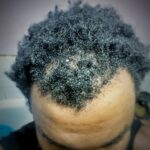
If you’ve been told your hair is “too short” for dreadlocks — especially around the 1 inch mark — you’re not alone, particularly if you’re already experiencing thinning or traction-related hair loss.
I receive daily enquiries from clients who were excited to have dreadlocks, only to be turned away and told it’s not possible at this stage.
Most loctitians will send you on you way and tell you to return in a few years.
What warrants loctitions to redirect you years down the road is the fear of damaging your hair. Most likely not understanding the multitude of different hair types and then of course the learnt skill to be able to work with diverse hair types, lengths and most importantly, thinning hair.
But here’s the truth:
Length isn’t the issue — it’s how the hair is worked with that makes or breaks the outcome.
And when those three things are missing… that’s where damage begins.
The Reality of 1 Inch Hair
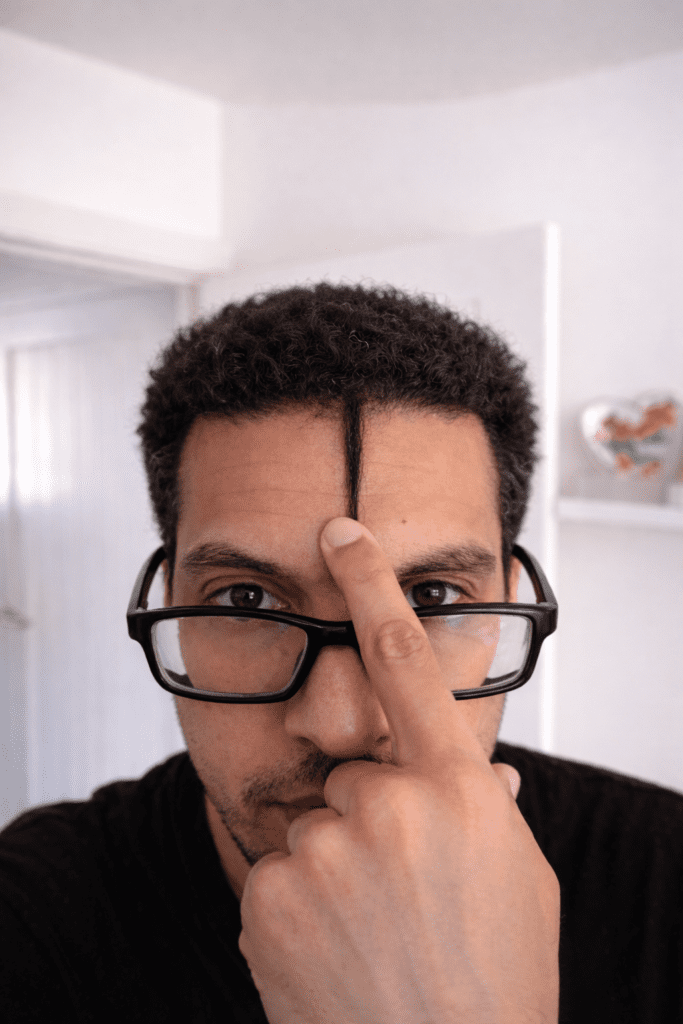
At around 1–1.5 inches, the margin for error becomes extremely small.
This is where over-tension can place immediate stress on the follicle, poor sectioning can lead to long-term instability, and incorrect methods can accelerate thinning or traction alopecia.
This is exactly why many locticians say no.
Not because it’s impossible —
but because it requires a level of precision most are not trained in.
What Most People Get Wrong
One of the biggest misconceptions is:
“ If it can hold, it will work.”
This is where long-term damage starts.
Just because extensions can be attached
doesn’t mean the hair can sustain them.
With ultra-short or fragile hair, the focus should never be speed, volume, or instant fullness.
It should be longevity, scalp health, and structural integrity.
What Actually Makes It Possible
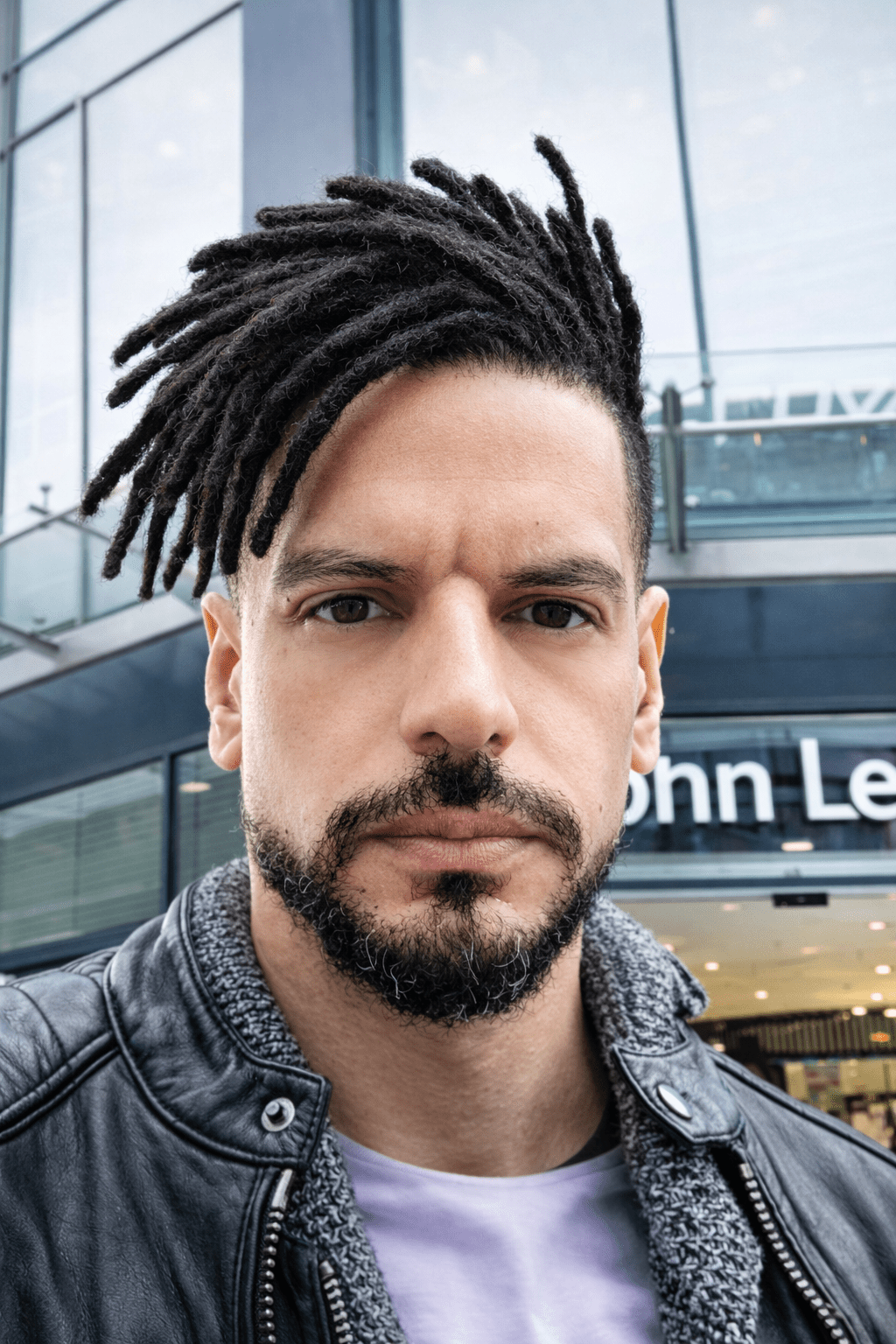
Working with 1 inch hair is possible — but only under the right conditions.
This includes micro-accurate sectioning aligned to your natural hair density, even weight distribution across each dread, minimal tension at the root, and a method that supports integration rather than force.
This is not standard dreadlock work — it’s a more considered approach often needed in alopecia and fine hair cases.
This is specialist-level installation.
When You Should NOT Do It
This is where I’ll be clear – because the consequences will cause you frustration, discomfort and extra money to course correct in the near future.
Dreadlock extensions on very short hair are not suitable if the scalp is inflamed or actively shedding, if there is ongoing traction damage that hasn’t stabilised, if the goal is instant thick or heavy dreadlocks, or if the hair simply cannot support even light extension weight.
In some of these cases, the priority should always be recovery first and potentially instant dreadlocks. Specialised analysis is crucial.
The Right Way to Approach It
The safest and most effective approach is to assess the scalp and hair condition properly, design a layout that matches your actual density, choose extension weight and size carefully, and build gradually rather than aggressively.
This is how you create dreadlocks that are designed for life – not just for now.
Who This Is For
This is for you if you’ve been told your hair is too short, if you have fine, thinning, or fragile hair, if you want a long-term solution rather than a quick fix, and if you care about protecting your scalp and hairline.
Next Step
If you’re unsure whether your hair is suitable, the first step is a proper assessment.
I offer structured consultations designed specifically for fine hair, thinning hairlines, and alopecia-related cases — so you can move forward with clarity and confidence.