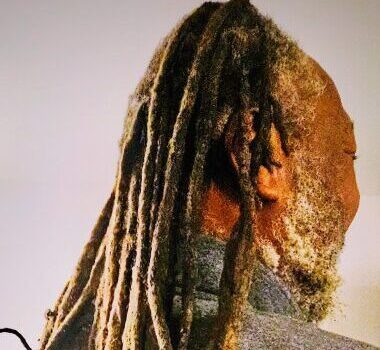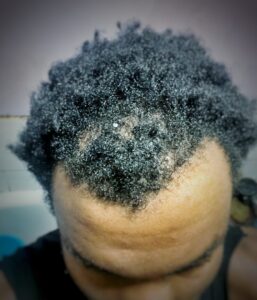
Dreadlock Extensions for Alopecia & Thinning Hair


Too thin, too short, too risky? Not necessarily.

If your hair is thinning, fragile, or affected by alopecia, generic dreadlock advice can do more harm than good.

You may have been told it cannot be done. Sometimes that is true. Often, it simply means the hair has not been assessed properly.

This is not standard dreadlock work. It needs specialist judgement, a controlled method, and honesty about what your hair can safely hold.
Why this often goes wrong

Thinning hair, weak hairlines, bald spots, and fragile root areas do not respond well to rushed work, heavy-handed tension, or generic methods.

This is where standard dreadlock work tends to fail. Poor sectioning. No real mapping. Weak zones ignored. Too much force where the hair needs restraint.


At Dreadlocks by KNOT, the work starts with proper assessment. We look at density, scalp condition, vulnerable areas, and whether the hair can support extensions safely in the first place.

That difference matters.

What this really involves

Traction alopecia from tight installs, twisting, or maintenance

Thinning hairlines and fragile root zones

Very short hair — often around 1 to 1.5 inches

Bald spots, patchy density, or uneven hold

Previous dreadlock work that left the hair weaker, messier, or harder to trust

If your current issue is more about failed previous work, grown-out sections, or structural inconsistency, see → Dreadlock Reconstruction

Every case needs to be read properly. The plan depends on what your hair can safely support now — not what someone wishes it could do.

A more intelligent approach

Not every “no” is a real no. Sometimes it is just generic dreadlock work talking.

The Precision Intermatting Method™ allows for more control, more careful mapping, and a more structure-aware approach around delicate areas where careless work can cause more loss.

That does not mean pushing ahead at all costs. It means working out what is safely possible, where restraint is needed, and whether extensions are the right move at all.

If you want to understand the risk side properly first, read this → Do Dreadlocks Cause Traction Alopecia? The Truth (and How to Protect Your Roots)

Start with specialist assessment

If thinning, alopecia, or previous damage is part of the picture, suitability comes first.

We assess the real condition of the hair and scalp, talk through what is realistic, and give you a clear direction based on safety, structure, and long-term sense.

No guesswork. No pressure. Just a proper plan.

View real results

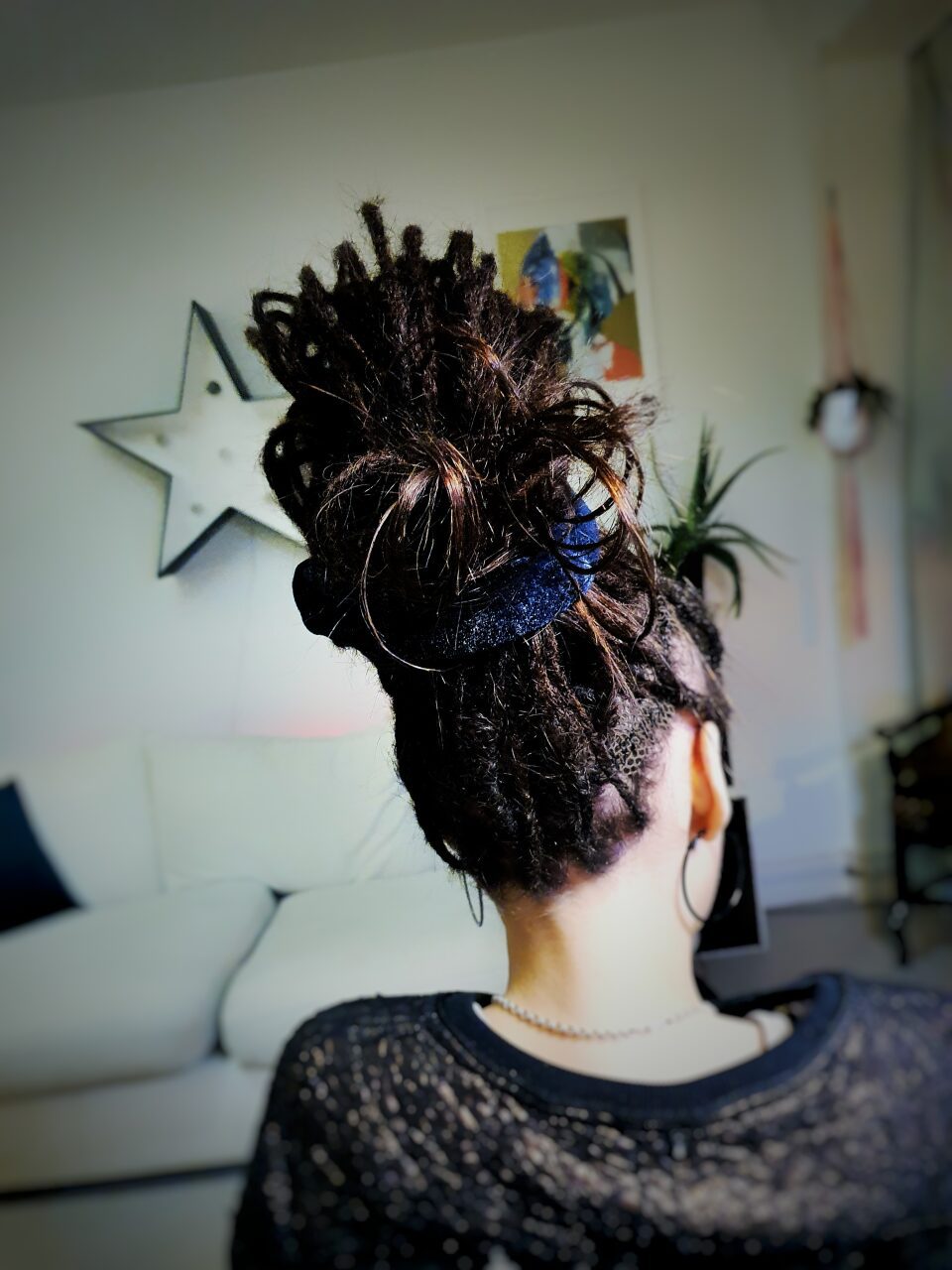
These are examples of work carried out on thinning hair, fragile roots, alopecia-related cases, and more complex restoration work.

Each result came from careful assessment, precision-led design, and knowing where the hair needed protection as much as transformation.

Find out what’s safely possible

The right next step is not to rush into booking hair work.

It is to get your hair assessed properly and understand what can be done without making things worse.

We BeLiEve YoU Are ALL AwEsOme & DeSeRve To StAnD Out

Dreadlocks By Knot

Useful if thinning or hair loss is already part of the picture

These posts will help you understand what should be assessed first, what can create more strain, and why the plan matters so much in higher-risk cases.

Do dreadlocks cause traction alopecia article image

Do Dreadlocks Cause Traction Alopecia?

Important if the concern includes visible loss, fragile edges, or tension-related thinning around the hairline.

Read article

Dreadlock extensions with 1 inch hair article image

Dreadlock Extensions With 1 Inch Hair

Useful if length is limited and you need to know what actually decides whether extensions are viable.

Read article

When should you not get dreadlocks article image

When Should You Not Get Dreadlocks?

A good read if you need to understand when the hair needs a different route, not a rushed yes.

Read article