

Dreadlock Repair After Damage: Can Thinning Hair Be Recovered?
Not all dreadlocks start with damage.
60% of the enquiries I receive are damsels in distress and a cry for help from previously gone wrong dreadlock services.
After one month, they are seeking guidance from us, here, at Dreadlocks by Knot.
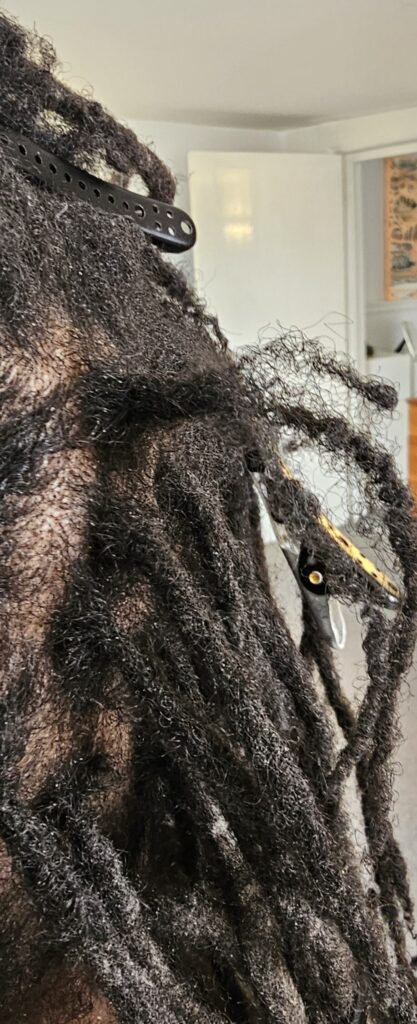
Thinning roots, uneven weight, breakage, extensions that have fallen out, or sections that no longer feel secure – often after months or even years of trying to make it work,
And the question is always the same:
Can this be repaired… or is it too far gone?
How Damage Happens
Damage doesn’t usually happen overnight.
It builds gradually — often from methods or maintenance that place more stress on the hair than it can sustain.
This might include repeated tension at the root — often linked to traction alopecia and dreadlocks. Sections that don’t match the natural density of the hair, or dreadlocks that have become too heavy over time.
In many cases, everything can feel fine in the beginning.
Until it isn’t.
The Early Signs Most People Miss
Before visible thinning becomes obvious, there are usually subtle signs:
- roots starting to feel weaker
- gaps forming between sections
- discomfort or sensitivity at the scalp
- dreadlocks shifting or pulling in certain areas
These are often ignored or adjusted around — rather than properly addressed.
Can It Be Repaired?
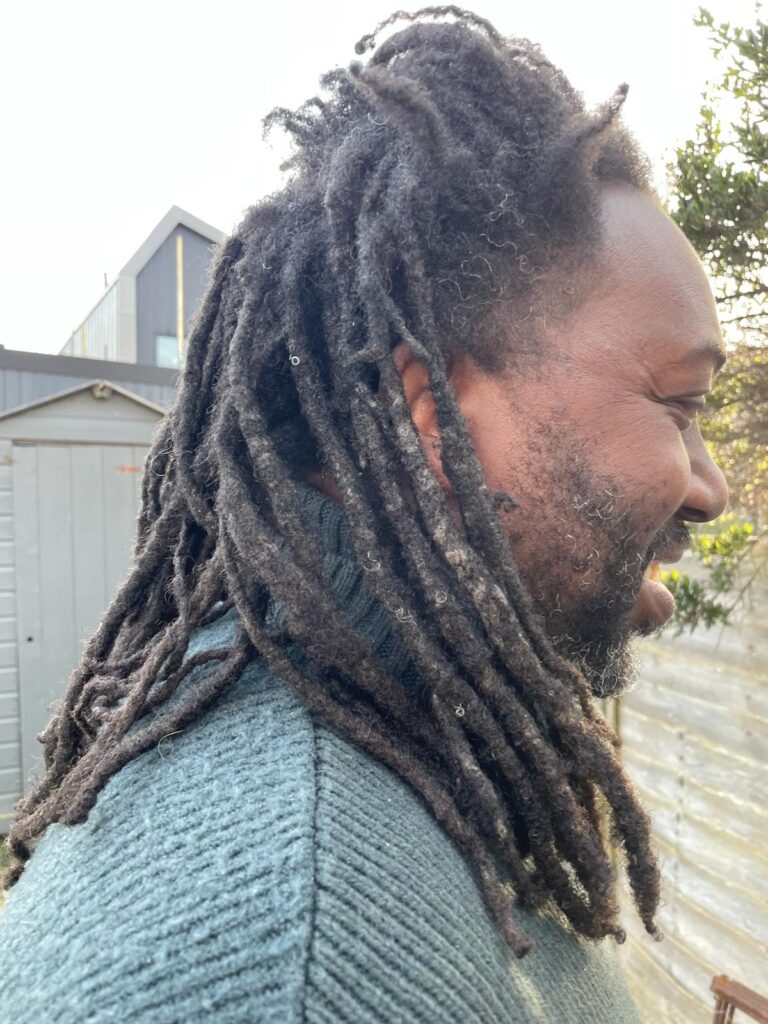
In almost every case, yes it certainly can.
But not always in the way people expect.
Repair isn’t about forcing the hair back into place or simply “tightening things up.”
It’s about understanding what the hair can still support, and working within that, with specialised techniques that vary depending on hair type
Mostly this would involve restructing the dreadlocks all together
Sometimes it means reducing weight.
And sometimes it means taking a step back before moving forward again.
When Repair Is Possible
Repair is more likely when:
- the follicles are still active
- the thinning hasn’t progressed too far
- the scalp is stable and not inflamed
- there is enough strength left in the root to work with
In these cases, it’s often possible to stabilise and rebuild in a way that supports the hair long-term.
When It May Not Be
There are also times where repair is limited.
If the hair has been under prolonged stress, or the follicles have weakened significantly, the focus may need to shift.
Not everything can — or should — be restored in the same way.
And forcing it often leads to further loss.

A More Considered Approach to Repair
Repair work requires a different mindset.
Its not simply restoring what was there as quickly as possible or even tightening to create that fresh feel. You can think of the process as working with what’s still viable — and protecting it.
That might mean adjusting expectations.
It might mean doing less, not more.
But done properly, it creates the opportunity for something far more stable moving forward.
Who This Is For
This is for you if:
- your dreadlocks feel thinner at the root
- you’ve noticed changes in your hairline or crown
- something doesn’t feel quite right anymore
- you’ve been trying to manage it, but it’s not improving
Next Step
If you’re unsure whether your current thinning is linked to your dreadlocks, it’s worth understanding more about thinning hair and dreadlocks. Further more, whether your dreadlocks can be repaired, the most important step is understanding what’s actually happening at the root cause.
I offer consultations specifically for thinning, fragile, and damaged dreadlocks — so you can get clear, honest guidance on what’s possible.
We BeLiEve YoU Are ALL AwEsOme & DeSeRve To StAnD Out