

Dreadlocks for Thinning Hair, Alopecia & Fine Hair – What You Need to Know
Dreadlocks are not one-size-fits-all — especially when working with fine, thinning, or fragile hair.
Many people come to us after being told:
“Your hair is too thin”
“It’s too short”
“It’s not possible with alopecia”
The truth is — it depends on the technique, the tension, and the precision of the work.
At Dreadlocks by KNOT, we specialise in working with:
- Thinning hairlines
- Traction alopecia
- Very fine or low-density hair
- Short hair (from approx. 1–2 inches in some cases)
This page answers the most common questions we receive. If your case is more complex, the best place to start is with a consultation.
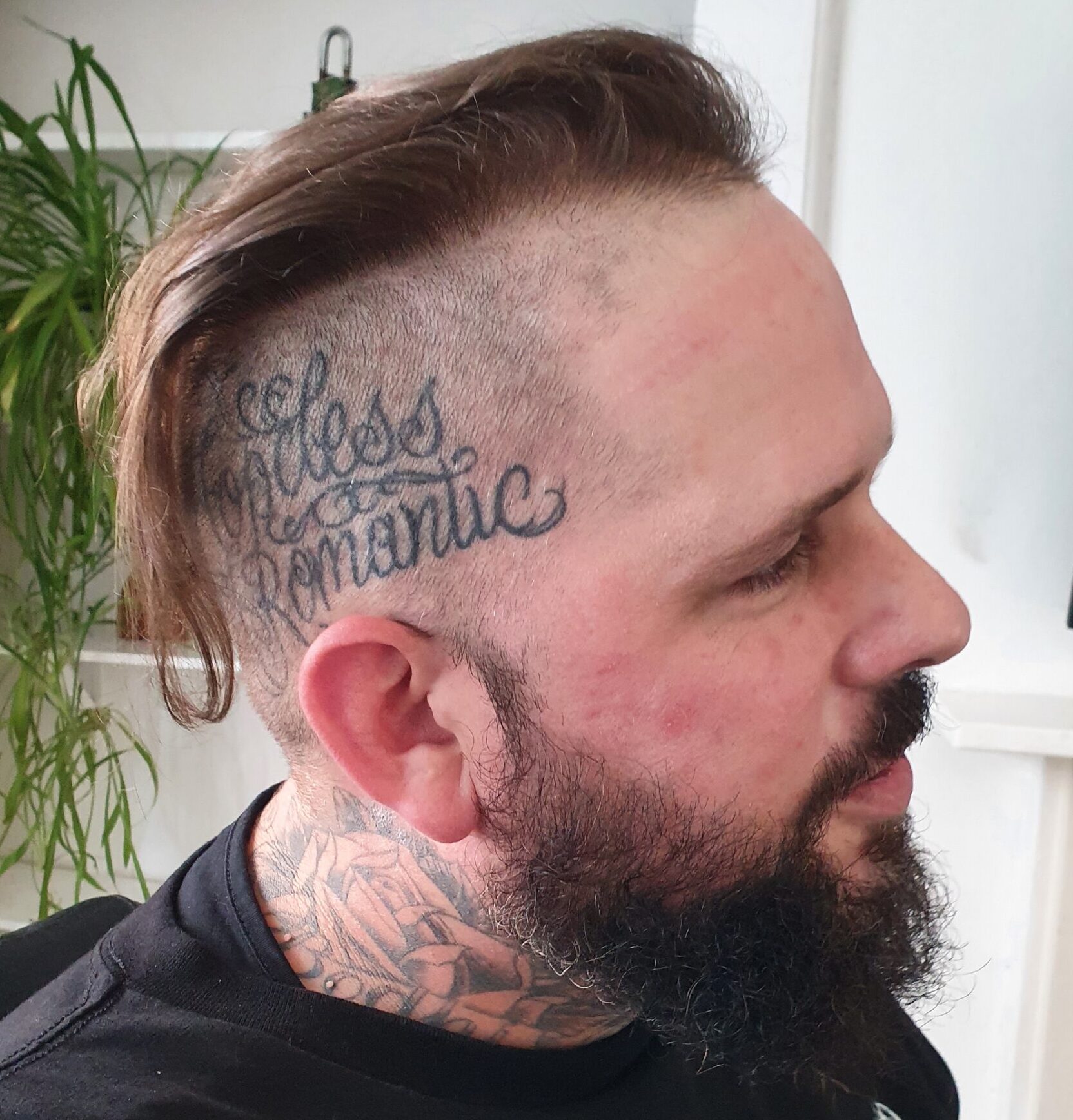
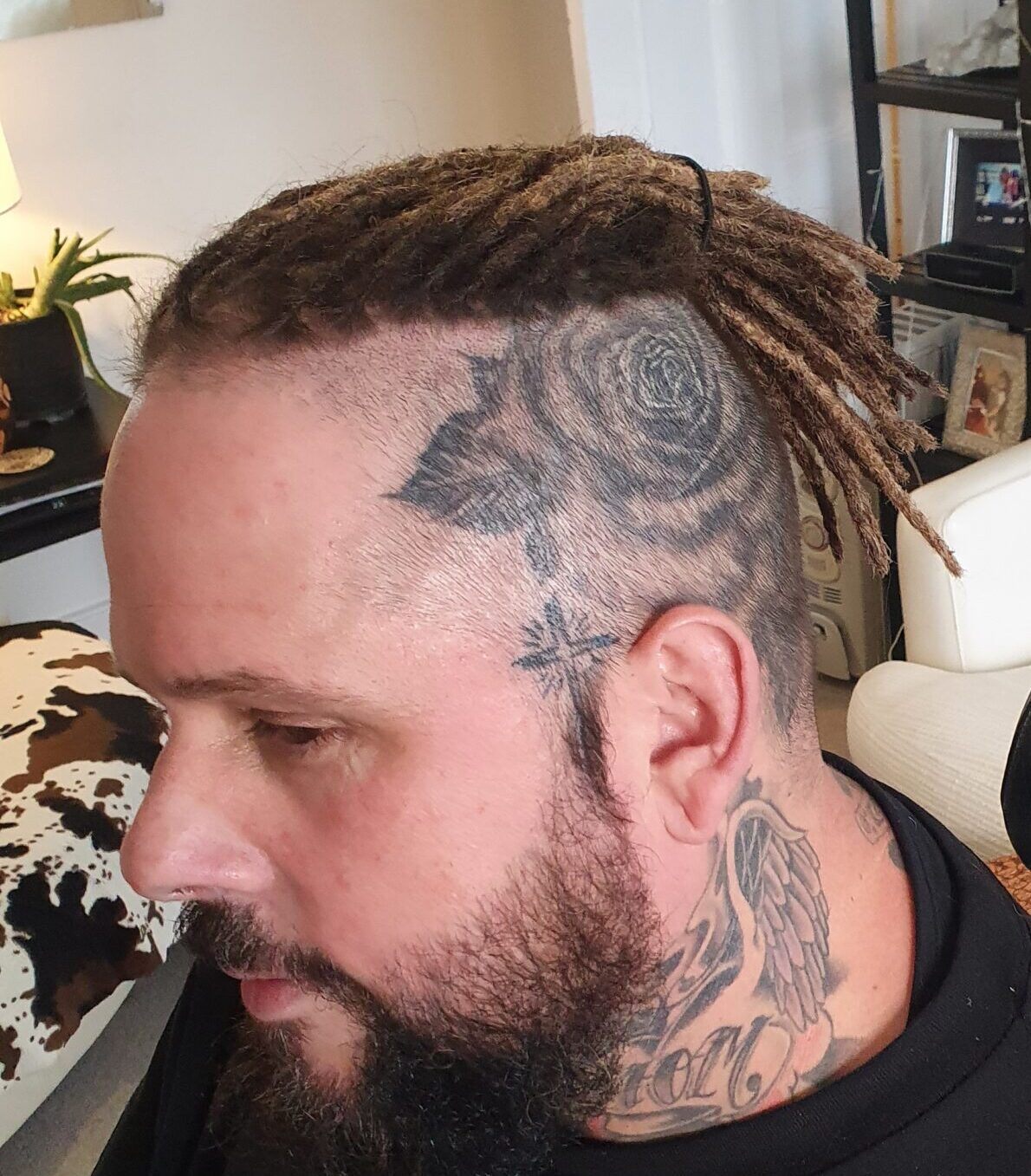
Appointments & Process
Q: Do you offer home visits?
A: No — all appointments are now carried out in a controlled, professional setting.
This ensures:
Optimal lighting and precision work
Full focus on your hair and scalp
A calm, uninterrupted environment
Q: Do I need a deposit?
A: Yes. A deposit is required to:
Secure your appointment
Source your bespoke hair
Begin preparation work before your visit
Q: How long does the process take?
A: Preparation (extensions): approx. 5–20 days after deposit
Installation: typically 3–9 hours, depending on your hair and design
Every head is different — timing is confirmed during consultation.
Suitability & Hair Requirements
Q: Can you work with very short or thinning hair?
A: In many cases, yes.
We specialise in working with:
Fine or fragile hair
Thinning hairlines
Early to moderate traction alopecia
Hair as short as approx. 1–2 inches
However — not every case is suitable.
This is exactly what the consultation is for — to assess safely and map out your options.
Q: How much hair do I need?
A: Extensions: from approx. 1.5–2 inches
Your own hair only: typically 3+ inches
Precision matters more than length — especially with fragile hair.
Q: Can dreadlocks damage my hair or cause alopecia?
A: Poor technique can.
Tight twisting, incorrect tension, and repeated stress can lead to:
Thinning edges
Breakage
Traction alopecia
Our work is designed to protect the root and respect your hair’s limits.
👉 If you’re already experiencing damage, we recommend a
Technique & Approach
Q: Do you use wax or chemicals?
A: No.
We use a clean, precision-based crochet method with no residue or build-up — allowing your dreadlocks to form and mature correctly.
Q: How do you section the hair?
A: Sectioning is fully customised.
We use precision sectioning adapted to:
Your hair density
Growth patterns
Desired direction and movement
This prevents future issues like merging, tension imbalance, or weak foundations.
Q: Will my dreadlocks look natural?
A: Yes — when done correctly.
Our focus is:
Clean root integration
Balanced weight distribution
Natural movement and flow
No bulky, forced, or synthetic-looking results.
Maintenance & Longevity
Q: How often do I need maintenance?
A: Typically every 3 months, depending on:
Lifestyle (gym, swimming, helmets)
Hair type and growth rate
Styling habits
Q: Can I dye my dreadlock extensions?
A: Yes — but with care.
Extensions are not living hair, so over-processing can:
Weaken structure
Affect longevity
We advise keeping colouring minimal.
Investment & Payments
Q: Do you offer discounts?
A: No.
This is highly specialised, intricate work designed for long-term results.
Clients choose this service because they want it done properly the first time.
Q: How do I pay?
A:
Deposits: Bank transfer or PayPal
Remaining balance: Bank transfer or cash on the day
Advanced Cases & Support
Q: I’ve had damage from previous dreadlocks — can this be fixed?
A: In many cases, yes.
We regularly work with:
Breakage from interlocking/twisting
Weak or thinning sections
Previous poor installations
Each case requires careful assessment before any work begins.
Q: Do you offer guidance beyond the installation?
A: Yes.
For clients who want deeper support, we offer:
Personalised hair and scalp guidance
Long-term planning for fragile hair
Optional coaching to support confidence and identity through the process
This is accessed via our Strategy Call.
Where to Start
If you’re unsure, the best place to begin is here:
For straightforward questions and direction
For thinning hair, alopecia, or complex cases
Final Note
This is not a one-size-fits-all service.
Every head of hair requires:
Precision
Experience
A tailored approach
If you’re serious about doing this properly, we’ll guide you every step of the way.