Can Weak Edges Grow Back?
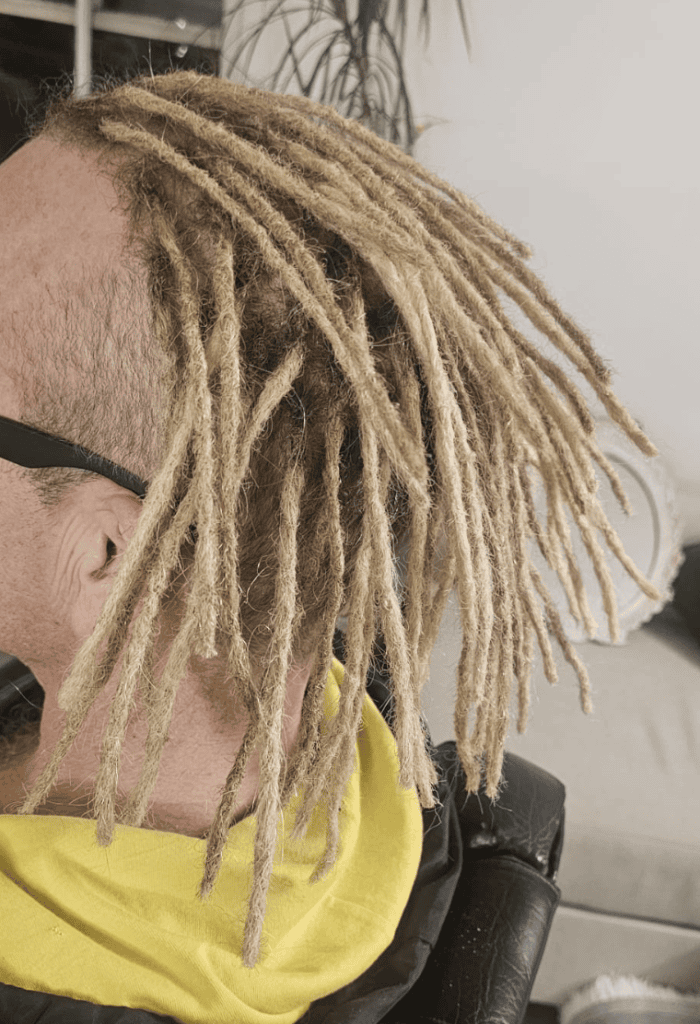
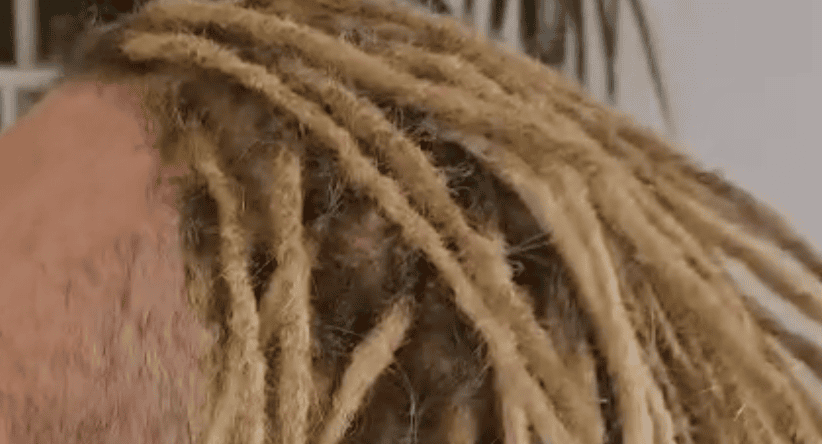
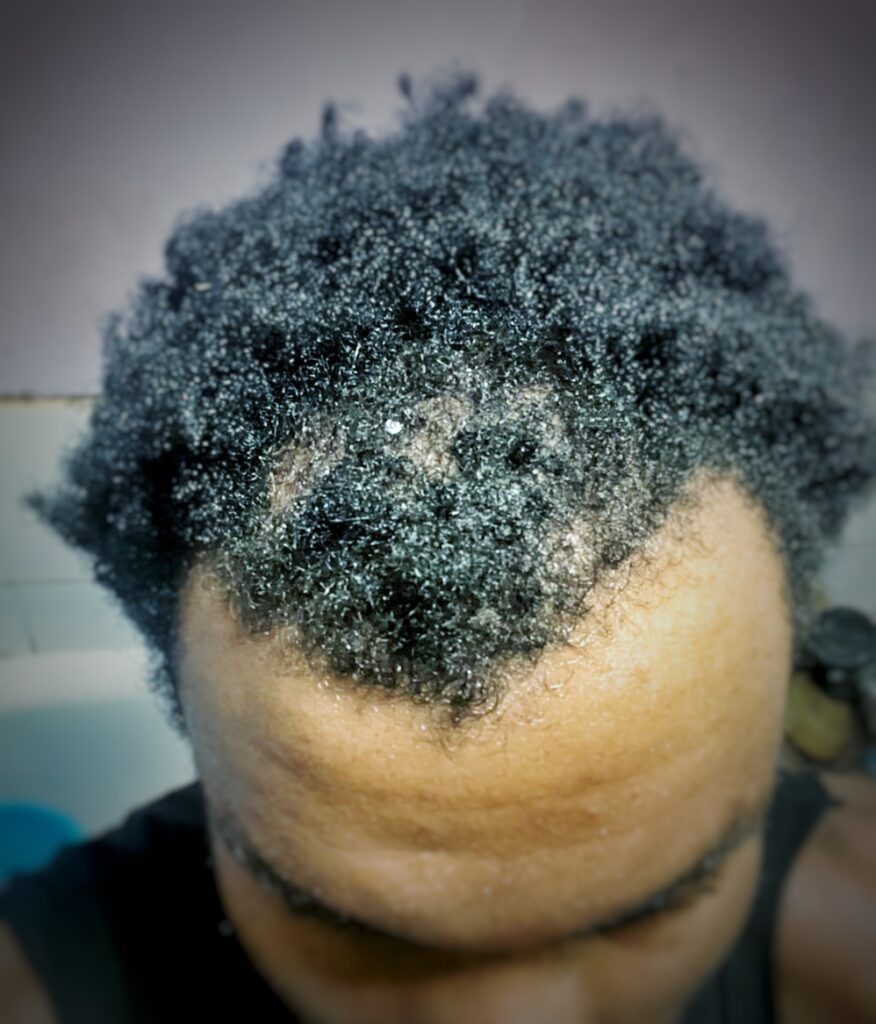
Some weak edges may become fuller after the pressure is removed, particularly when the problem has been identified early and the hair follicles have not been permanently affected.
However, it would be irresponsible to promise regrowth from a blog, photograph or dreadlock consultation alone. Hair loss around the edges can have more than one contributing factor, and not every type of thinning behaves in the same way.
The realistic answer is that improvement may be possible, but the direction should be based on what the area does over time rather than on reassurance alone.
Signs of improvement might include the area becoming less tender, shedding settling and new hairs gradually building length. Even then, the presence of new hair does not automatically mean it is ready to support extensions or heavy dreadlocks.
Recovery and suitability are two different questions.
The first asks whether the hairline may become stronger. The second asks whether it can safely carry a particular dreadlock design, weight and maintenance routine. One cannot be assumed from the other.
When Ongoing Thinning Needs Medical Attention
A dreadlock specialist can assess the visible structure, density, condition and practical suitability of the hair. A dreadlock specialist should not attempt to diagnose the medical cause of ongoing hair loss.
If the edges continue receding after the dreadlocks have been removed, the scalp is inflamed, there are smooth bald areas, active soreness persists or shedding is continuing, medical or dermatological assessment may be appropriate before further dreadlock work is considered.
This is not a rejection of the person or their dream of having dreadlocks. It is part of protecting the remaining hair and making sure a structural service is not being used to conceal something that needs separate attention.
Sometimes the safest answer is not yet. Sometimes it is a modified plan. Sometimes the correct decision is to pause dreadlock work entirely while the hair and scalp are investigated.
A responsible assessment should be able to hold all three possibilities.
Why Ordinary Maintenance May No Longer Be Enough
When the hairline has weakened after heavy dreadlocks, treating the situation as standard root maintenance can miss the larger issue.
Maintenance usually assumes that the existing structure is still suitable and simply needs to be managed as it grows. Weak edges raise a different question: whether the structure itself has become part of the problem.
Continuing to tighten the same sections, replace fallen dreadlocks or reconnect weight to reduced density may keep repeating the original demand. The work may look tidier after the appointment, but the hairline can continue losing support underneath.
This is why I do not treat this as a standard dreadlock service.
Before anything is tightened, reattached or rebuilt, the previous design, current density, areas of discomfort and long-term maintenance reality need to be understood.
The public article can explain why that matters, but the actual judgement belongs inside an individual assessment.
What May Be Possible After Heavy Dreadlocks Are Removed
Weak edges do not automatically mean the person can never wear dreadlocks again. They do mean the next decision needs more restraint than the original one may have received.
Depending on the condition of the hair, a future plan may involve:
- protecting the front rather than attaching directly into it
- reducing the overall weight and visual demand
- working in stages instead of recreating a full result immediately
- redesigning how the dreadlocks sit around the face
- delaying permanent work while the area is observed
- deciding that no new weight should be added to the edges
These are possible directions, not instructions or guarantees. The appropriate route depends on the individual hairline, the strength of the surrounding hair and what has happened over time.
The goal should not be to prove that dreadlocks can still be installed. The goal should be to avoid turning a recovering hairline into another correction case.
A Pause Can Be Part of a Successful Result
People sometimes experience being advised to wait as a rejection. In reality, a pause can be one of the clearest signs that the hair is being treated with respect.
Rushing to say yes may create an immediate sale, but it does not necessarily create a result the client can live with safely.
A careful not yet can protect more hair, more money and more future options.
The hairline should not have to prove its strength by carrying weight before it is ready.