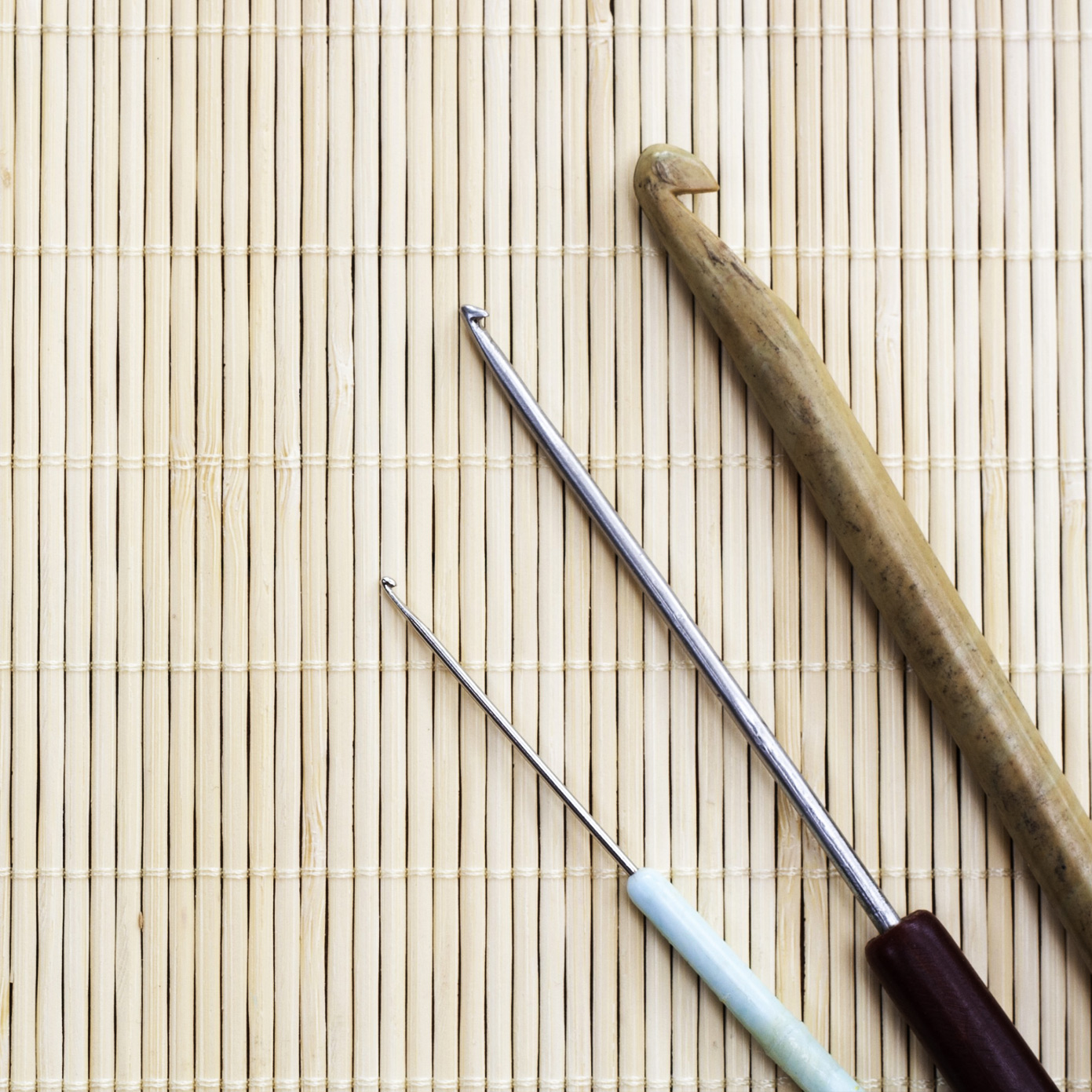
The Precision Intermatting Method™

When the hair is fragile, thinning, resistant, very short, or structurally difficult, the method matters more.

This page explains why Dreadlocks by KNOT uses the Precision Intermatting Method™ — a mapping-led, structure-aware approach refined through specialist work across delicate, complex, and resistant hair types.

It is designed to create solid, consistent dreadlocks from day one while reducing unnecessary breakage.

This is not generic crochet language, rushed dreadlock work, or a one-method-fits-all approach. It is a controlled method built around the real condition, density, direction, and behaviour of the hair before decisions are made.

Mapping Before Method

Great dreadlocks are not improvised.

Sectioning, density, root direction, weak areas, lay, and long-term hold all need to be considered before the work begins. Poor mapping is one of the main reasons dreadlocks later become unstable, bulky in the wrong places, uneven, or difficult to maintain properly.

What Precision Intermatting Means

The hair is worked with control from multiple directions so the dreadlock is truly matted and structurally built — not simply pulled through, twisted, or surface-tightened.

The exact approach changes with the hair type. That is why this method can be adapted for both vulnerable hair that needs restraint and dense, resistant hair that needs strong structural control.

Where It Matters Most

This matters most in cases that are easy to misjudge or mishandle:

thinning hair, traction alopecia, fragile edges, very short hair, grown-out dreadlocks, repair and reconstruction, and dense, resistant hair types including Asian hair that requires stronger technical control to lock well.

What This Method Is Not

It is not standard interlocking. It is not twisting. It is not rushed crochet work. And it is not surface-level maintenance dressed up as structure.

The tool alone is not the method.

Precision comes from how the hair is assessed, mapped, tensioned, and built. When the wrong approach is used, fragile areas get overworked, resistant hair gets underestimated, short hair gets handled badly, and people get told “yes” or “no” far too quickly.

The problem is often not the hair itself. The problem is the method being used on it.

Technique, Traceability, and Why Method Matters

The Precision Intermatting Method™ is not a random phrase added for effect. Its roots trace through specialist exposure to Tasmanian work and technique lineage connected to Asian hair handling — one of the hardest hair types to dread well and keep stable.

From there, the method has been refined through 26 years of hands-on work across delicate, complex, and resistant hair types.

That technical lineage matters because difficult hair does not respond well to guesswork. It needs judgement, restraint where needed, control where needed, and a method shaped through real experience — not just theory, trends, or broad dreadlock language.

This is part of why Dreadlocks by KNOT can work at both ends of the spectrum: hair that is highly vulnerable and hair that is highly resistant.

Start With Specialist Assessment

Not every head of hair needs the same route.

The safest next step depends on the real condition of the hair, scalp, density, and history of the work already done. If your case involves thinning hair, fragile edges, breakage, reconstruction, or uncertainty about what is safely possible, start with the consultation.

You can also explore our Dreadlock Reconstruction service or our Alopecia & Thinning Hair Dreadlock Extensions page if you want to understand where this method is used in real client situations.

Find Out What's Safely Possible

We BeLiEve YoU Are ALL AwEsOMe & DeSerVe to StaNd. OuT!

Dreadlocks by KNOT