

How Long Do Permanent Human Hair Dreadlock Extensions Last?
If you are asking how long dreadlock extensions last, you are probably already beyond casual inspiration. You are considering a significant investment in permanent human-hair extensions and want to know whether they can genuinely become part of your life – or whether you could be paying again after a few months.
The honest answer is that high-quality human-hair dreadlock extensions can move towards lifelong wear. At Dreadlocks by KNOT, I describe this as designed for life. With sound foundations, suitable natural hair, ongoing care and specialist support, the extension and the person’s own growing hair can gradually function as one continuing dreadlock structure.
Designed for life is not the same as indestructible. Permanent extensions can still loosen, shed, wear down or fall out. Sometimes the cause lies in the original work. Sometimes repeated daily habits gradually weaken one area. Often the difference is only visible after the hair has been washed, slept on, tied up, grown and maintained over time.
This is why a responsible specialist should not promise every client one universal lifespan. The real question is not only, “How many years will the added hair last?” It is whether the complete structure – human hair, natural roots, original installation and long-term care – has been planned to keep working together.
This is why I do not treat this as a standard dreadlock service. Longevity is not created by attaching a product and hoping it remains there. It begins with the foundation and continues through the life of the set.
How long do dreadlock extensions last?
- Permanent human-hair dreadlock extensions can move towards lifelong wear, but no honest specialist should promise one fixed lifespan for every person.
- Long-term success depends on the natural hair, the quality and specification of the extension hair, the strength of the original foundation and continuing care.
- A set can look secure at first while small weaknesses, repeated friction or unsuitable demands only become visible over time.
- Specialist assessment protects the larger investment by deciding whether the proposed set is designed for your real hair and real life.
The Honest Answer: There Is No Responsible Universal Lifespan
You may find confident claims online stating that loc extensions last a particular number of months or years. A number can feel reassuring when you are trying to decide whether the cost is worthwhile. But a universal promise removes the very factors that decide the answer.
Two people can receive human-hair dreadlock extensions on the same day and have very different long-term experiences. Their natural density, root support, hair behaviour, desired length, dreadlock thickness, lifestyle and maintenance reality may have little in common.
The hair added to create the extension is only one part of the lifespan. The natural hair underneath continues to grow and live. The set is repeatedly washed, dried, slept on, styled, tied back, covered and moved against clothing. Longevity is the result of how that whole system performs, not a date printed on the extension hair.
What “Designed for Life” Actually Means
Designed for life means the permanent extensions are created with the intention that they can remain part of a continuing dreadlock journey. As the client’s own hair grows, that new growth can be cared for and reintegrated so that the natural hair and extension do not remain two unrelated pieces.
Over time, the original point where the added hair met the natural hair becomes one earlier chapter in a growing dreadlock. The natural root continues moving away from the scalp, maintenance supports the new growth and the overall structure matures.
That is very different from promising that an extension can never experience wear or require attention. A lifelong design still lives in the real world. It needs observation, care and sometimes repair, just as any valued long-term structure does.
The Four Things That Most Influence Dreadlock Extension Longevity
1. The quality and specification of the human hair
The phrase “human hair” does not create a complete quality standard. Hair can vary in processing, strength, texture, density, length and how convincingly it can become part of the finished dreadlock. A premium label cannot compensate for hair that was unsuitable for the intended result.
For permanent wear, the hair needs to make sense alongside the client’s own hair, desired finish and long-term expectations. The goal is not simply to attach expensive material. It is to choose and prepare hair that belongs in the complete permanent plan.
2. The strength of the original foundation
A permanent dreadlock extension should begin with substance and stability. If it is already weak, loosely connected or inconsistent on installation day, future maintenance is being asked to rescue a problem that began at the start.
Clients often hear the word crochet and assume that this identifies the complete service. It does not. Practitioners can use tools with the same name while producing very different strength, finish and long-term behaviour. The private technical application remains part of specialist practice; what the client needs to understand is that the tool name alone cannot predict durability.
3. What the natural hair can support
The extension may be made from excellent human hair and still be wrong for the natural root expected to carry it. Fine, thinning, fragile or uneven-density hair cannot be treated as though every area offers identical support.
Longevity is therefore not achieved by making the extension itself as strong as possible while ignoring the living hair underneath. The permanent structure needs to respect the actual starting point. Otherwise, a durable extension can outlast the root support it depends on.
4. The length, thickness and complete scale of the set
Longer dreadlocks have more opportunity to become caught, pulled or repeatedly moved against clothing. Finer dreadlocks can create a refined result, but smaller areas may show wear sooner when the same habits affect them again and again.
This does not make long or thin dreadlock extensions unsuitable. It means the lifespan question cannot be separated from the exact result being requested. Length, quantity, width, weight and the natural hair all need to make sense together before longevity can be discussed responsibly.

Why human hair is only part of the answer
High-quality human hair can support a softer, more integrated permanent result, but the material name does not guarantee longevity. Quality, weight, construction and the natural starting hair still need to agree.
Why New Dreadlock Extensions Can Feel Like Leather Shoes
I sometimes compare a well-created new set with a brand-new pair of leather shoes. The dreadlocks can feel firm, compact and new because they have been created with structure. They then begin to settle into the movement and rhythm of the person wearing them.
This comparison is about the dreadlocks themselves, not painful pulling at the scalp. Persistent soreness, excessive tightness or restricted movement should not be treated as proof that an installation is strong. A sound foundation and unnecessary discomfort are not the same thing.
The important distinction is that a permanent set should not begin as something weak that is already depending on repeated repair. It should begin with enough integrity to move into its long-term life while being observed and cared for as it settles.
What Can Look Fine at First but Quietly Worsen Later?
Fresh installation photographs cannot show longevity. The hair has not yet been washed repeatedly, slept on for months, exposed to regular styling or grown far enough for the root structure to reveal how it behaves.
A beautiful first-day finish may therefore coexist with a weakness that is not obvious yet. Individual extensions may begin loosening at different speeds. Fine points may start wearing down. A transition that looked convincing while freshly styled may become more visible. The roots may also reveal that the original plan did not behave equally well across every part of the scalp.
This does not mean clients should distrust every new result. It means they should judge permanent work by more than the first photograph. Long-term examples, clear aftercare, realistic maintenance planning and a practitioner able to assess changes later are all part of the investment.
Everyday Wear Creates an Individual Pattern
People often imagine damage as one dramatic event. In practice, ordinary repetition can matter just as much. The same hair band may press on one place. A favourite hat may rub the same section. A coat collar or zip can repeatedly catch the dreadlocks at a particular length.
Sleep creates patterns too. Most people favour one side, move in familiar ways and place pressure through similar areas night after night. Longer dreadlocks may become trapped beneath the body or bedding. These habits are easy to miss because none of them feels significant on its own.
Over time, repeated wear can weaken a particular place while the rest of the set remains healthy. That is one reason a generic lifespan is misleading. The dreadlocks do not live in theory; they live inside somebody’s actual routines.
Permanent does not mean maintenance-free
New growth, repeated wear and the way the set behaves over time all need attention. The maintenance rhythm should be shaped around the individual hair rather than treated as an afterthought.

Why Ongoing Specialist Care Protects the Investment
At Dreadlocks by KNOT, maintenance is not only about making roots look fresh again. It creates an opportunity to observe how the dreadlocks are living: where the hair is growing strongly, where repeated habits are leaving wear and whether anything small needs attention before it becomes expensive.
Many clients benefit from a maintenance visit around every three months, although the correct rhythm depends on the person and their hair. Blog 45 explores that timing question in full; the important point here is that the expected care should be understood before the permanent installation is purchased.
This is also why annual package options are offered after the individual quotation. They are designed to create continuity of care across the year so the client is not only investing in installation day and then being left to manage every future change alone.
A package cannot promise that nothing will ever happen to the dreadlocks. Its value is that normal growth and developing wear can be seen and managed inside an ongoing professional relationship.
If One Extension Comes Loose, Has the Whole Set Failed?
Not necessarily. A single area may have experienced unusual friction, an accident or a localised weakness while the remainder of the set remains stable. In some cases, selective repair may be completely appropriate.
Repeated fallout is different. If several extensions loosen, the same sections fail again or the client is constantly paying to have pieces reattached, the problem may be larger than ordinary maintenance. Repeating the same response without reassessing the foundation can make the cycle more expensive.
This is where the difference between repair and rescue matters. Repair supports a structure that remains suitable. Rescue repeatedly tries to hold together a plan that may never have been right for the hair.
Previous Fallout Does Not Automatically Mean Your Hair Cannot Hold Extensions
When dreadlock extensions fall out, clients often blame their own hair. They may decide it was too fine, too short, too soft or simply incapable of holding a permanent result.
Sometimes the natural hair was not suitable for what was installed. But failure can also reflect the extension specification, original foundation, unsuitable demands, inconsistent work or the absence of a realistic care plan.
That distinction matters emotionally as well as financially. A person may give up on a transformation that could have been approached differently, or pay for the same failed answer again because nobody investigated why the first set did not last.
When the cheaper set becomes two payments
Low price is not proof of poor work, and high price is not proof of quality. The risk appears when assessment, preparation and long-term support are missing from what looked like a saving.
When Caution Matters Before Permanent Extensions Are Installed
Longevity should not be discussed as though every person is ready for permanent extensions immediately. Active scalp concerns, unexplained shedding, fragile roots, significant thinning, alopecia, painful previous work or rapidly changing density can all require a more cautious pathway.
That may mean a deeper specialist assessment, a different extension plan, a delay or independent medical or trichological advice. A responsible pause protects more value than a confident promise attached to hair that is not ready.
This is particularly important when the client is emotionally invested in coverage or additional length. The consultation should not exploit that urgency. It should separate what is desired from what can currently be supported and identify the safest next decision.
How a Specialist Consultation Creates Financial Certainty
A consultation cannot guarantee an exact lifetime. It can replace a generic promise with a much clearer understanding of what may support longevity in your case.
The £120 Precision Planning Consultation brings together the desired length, number, thickness, human-hair requirements, current natural hair, previous work, lifestyle and long-term care expectations before the larger permanent investment is confirmed.
Where thinning, alopecia, fragile hairlines or previous damage make the case more complex, the enquiry may need the £199 Advanced Cases Consultation instead. That is not an attempt to make the process unnecessarily complicated. It recognises that the cost of getting a vulnerable case wrong can be far greater than the cost of assessing it properly.
The consultation is therefore not payment for somebody to repeat that human-hair extensions are permanent. It is payment for experienced judgement about whether the proposed result has the right ingredients to become genuinely long term.
The detailed Precision Intermatting Method™ remains part of the specialist practice rather than a public tutorial. What the client should understand is the principle behind it: permanent work needs to be adapted around the individual rather than imposed as one standard process.
What Are You Actually Investing In?
You are investing in more than bundles of human hair. You are investing in the selection and preparation of that hair, the original permanent structure, the judgement used around your natural starting point and a plan for how the set will continue living after installation day.
A cheaper purchase can become expensive if the extension hair needs replacing, the attachments repeatedly fail, the natural roots become compromised or the whole set requires removal and reconstruction. Equally, a premium price only has value when it is supported by genuine quality, assessment and continuing responsibility.
The strongest investment is not the set accompanied by the boldest lifetime claim. It is the set whose longevity has been considered honestly from the beginning.
How Long Can Permanent Human-Hair Dreadlock Extensions Last?
Permanent human-hair dreadlock extensions can become part of a long-term and potentially lifelong dreadlock journey. The added hair does not grow, but the natural hair continues growing and can be maintained as part of the same developing structure.
The truthful answer is still individual. Human-hair quality, natural root support, the original foundation, extension length and scale, daily habits and continuing care all influence what happens next.
Designed for life does not mean untouched for life. It means the service is approached with the intention, foundations and support needed for longevity – while remaining honest that living hair and lived-in dreadlocks can change.
Before investing, ask for more than a number of years. Ask whether the complete set has been designed for your hair, your routines and the care you can realistically maintain.
FAQ: How Long Do Dreadlock Extensions Last?
High-quality human-hair dreadlock extensions can support many years of wear and may become part of a lifelong dreadlock journey. No responsible lifespan applies to everybody because the natural hair, original installation, extension specification, lifestyle and continuing care all influence longevity.
Permanent means the extensions are intended to remain within a continuing dreadlock structure rather than be removed like temporary pieces. They are not indestructible; individual areas can wear, loosen or require repair, so “designed for life” should be understood as a long-term care-backed intention rather than an unconditional guarantee.
The added human hair does not grow, but your natural hair continues growing from the scalp. With appropriate maintenance, that new growth can be supported as part of the same maturing dreadlock, allowing the original extension to remain within the continuing length.
Yes. An extension may loosen or fall out because of an unsuitable foundation, mismatch with the natural support, repeated friction, accidental pulling or wear that was not addressed. One isolated problem does not necessarily condemn the complete set, but repeated fallout needs proper assessment.
The dreadlocks themselves may feel firm and compact when newly created, rather like new leather shoes that need time to settle into daily wear. That should not be confused with persistent scalp pain, excessive tightness or restricted movement, which should not be treated as evidence of quality.
Thin dreadlocks can offer beautiful, refined long-term results, but finer areas may show localised wear when they repeatedly rub against hats, hair bands, clothing or bedding. Their longevity depends on the complete design, natural support and whether developing wear is noticed early.
Many clients benefit from specialist maintenance around every three months, but the appropriate rhythm varies with hair growth, density, dreadlock size, lifestyle and how the set behaves. The expected maintenance commitment should be discussed before installation rather than assumed afterwards.
Sometimes a localised loose extension can be repaired or reattached. If the same area repeatedly fails or several extensions are loosening, the original foundation and complete plan should be reassessed before the same action is repeated.
Human hair can experience wear, shedding, friction, colouring history and environmental exposure over time. Whether one area needs refining, repairing or replacing depends on its actual condition; there is no automatic replacement date that applies to every permanent set.
The consultation helps establish whether the requested length, number, human-hair specification and long-term care expectations make sense for your natural hair before you commit to the larger service. It cannot promise an exact lifetime, but it can expose avoidable risks and create a far clearer basis for the investment.
Invest in the Plan Behind the Longevity
If you are seriously considering permanent human-hair dreadlock extensions, begin by understanding whether the complete result is designed for your natural hair, lifestyle and long-term care reality.
The £120 Precision Planning Consultation creates an individual direction before you commit to the larger permanent investment. More complex thinning, alopecia, fragile-hairline or previous-damage cases can be directed towards the deeper assessment they require.
We BeLiEve YoU Are ALL AwEsOme & DeSeRve To StAnD Out

Permanent Dreadlock Extensions Cost UK: What Are You Actually Paying For?
Permanent Dreadlock Extensions Cost UK: What Are You Actually Paying For? If you are researching permanent dreadlock extensions cost in the UK, you have probably already decided that you want them. The question now is whether the quotation in front of you is realistic - and why another provider appears to be charging considerably more…

Do Permanent Dreadlock Extensions Damage Fine or Thinning Hair?
Do Permanent Dreadlock Extensions Damage Fine or Thinning Hair? If you have fine or thinning hair and you want permanent dreadlock extensions, the fear is usually not whether you like the look. You already do. The real question is whether adding permanent length and fullness could cost you more of the hair you are trying…
How Often Do Permanent Dreadlock Extensions Need Maintenance?
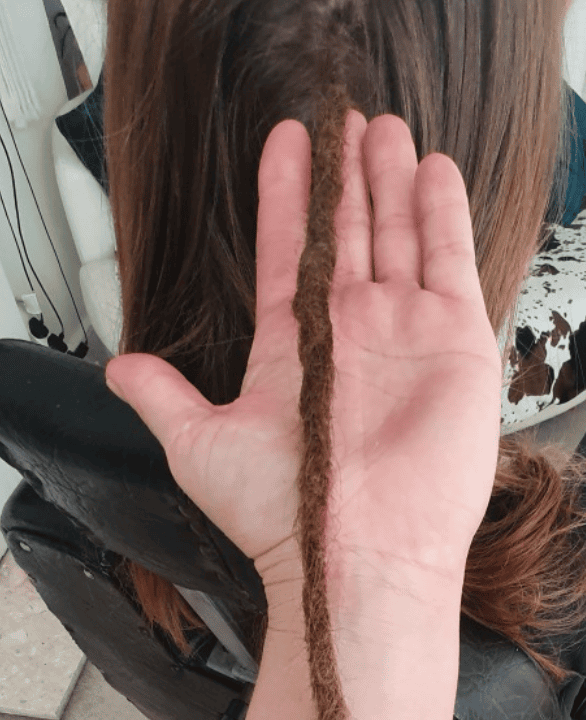
How Often Do Permanent Dreadlock Extensions Need Maintenance? If you are seriously considering permanent dreadlock extensions, it is sensible to ask what happens after installation. You may be comfortable with the initial investment but worried that you are also signing up for constant appointments, unpredictable repair bills or a lifetime of high-maintenance hair. For many…
Dreadlock Repair Cost UK: Repair, Reconstruction or Start Again?
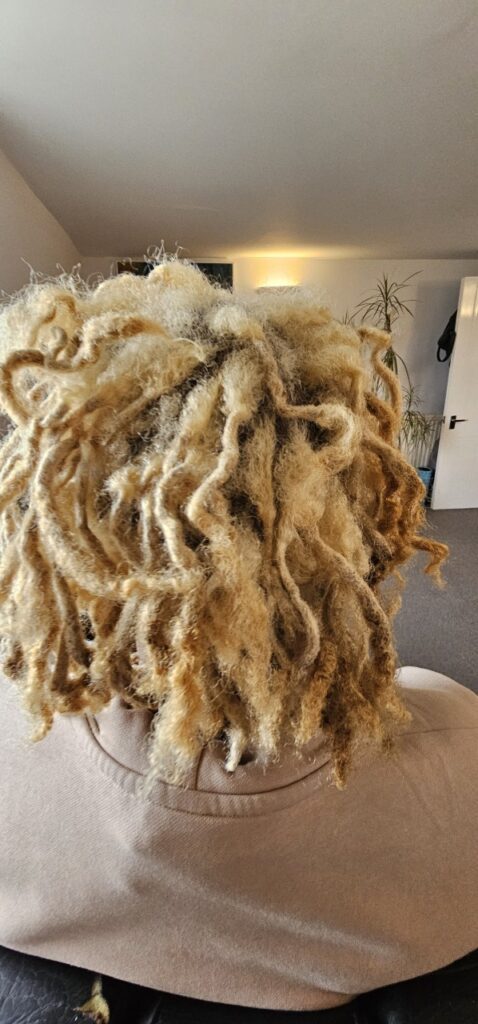
Dreadlock Repair Cost UK: Repair, Reconstruction or Start Again? If you are researching dreadlock repair cost UK, you probably already know that something needs professional attention. Your roots may be heavily grown out, several dreadlocks may be thinning or joining together, or previous work may be coming loose. What you do not yet know is…

Human Hair vs Synthetic Dreadlock Extensions: Which Is Better for Permanent Wear?
Human Hair vs Synthetic Dreadlock Extensions: Which Is Better for Permanent Wear? If you have already decided that you want dreadlock extensions, choosing between human hair and synthetic hair can feel like the final practical decision. One option may cost considerably more. Both can look convincing online. It is reasonable to ask whether human hair…

Dreadlock Extension Consultation: What Should Be Assessed Before Installation?
Dreadlock Extension Consultation: What Should Be Assessed Before Installation? A £120 dreadlock extension consultation can feel like an unnecessary extra when you already know you want extensions. You may have photographs, a preferred length and a clear picture of how you want to look. It is reasonable to wonder why you cannot simply send the…
How Many Dreadlock Extensions Do I Need for Fine or Thinning Hair?
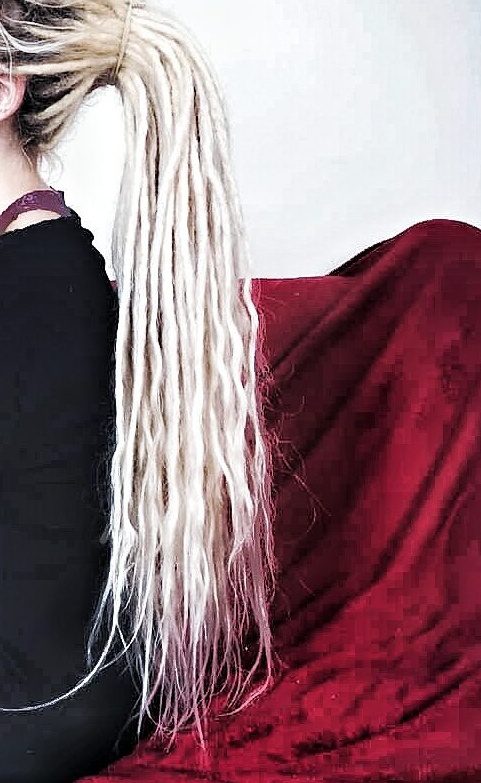
How Many Dreadlock Extensions Do I Need for Fine or Thinning Hair? If you are asking, “How many dreadlock extensions do I need?”, you are probably no longer deciding whether you like dreadlocks. You are trying to picture the finished result: how full it will look, whether your scalp will show, what it may cost…

Cheap Dreadlock Extensions: Why Low Prices Cost More
Cheap Dreadlock Extensions: Why Low Prices Can Cost More Later Cheap dreadlock extensions can feel like the sensible choice when you have already decided that you want permanent extensions and the specialist quotation is considerably higher. You may be looking at two prices and wondering whether the difference reflects genuine expertise or whether you are…
Traction Alopecia & Dreadlocks: What Must Be Assessed Before Saying Yes?
Traction Alopecia & Dreadlocks: What Must Be Assessed Before Saying Yes? You may already know that tight styling, repeated pulling or the weight of previous extensions has changed your hairline or created thinner areas. You may still want dreadlocks, dreadlock extensions, repair or reconstruction—but you are frightened that trying again could make the existing loss…

Dreadlock Extensions Near Me: 10 Questions to Ask Before You Book
Dreadlock Extensions Near Me: 10 Questions to Ask Before You Book Searching for ‘dreadlock extensions near me’ usually means you are no longer casually collecting inspiration. You may be comparing prices, photographs, travel distances and appointment availability because you are ready to make the change. The difficulty is that a polished social-media page can show…

Dreadlock Repair or Start Again? What a Specialist Checks First
Dreadlock Repair or Start Again? What a Specialist Checks First You may have booked what sounds like a simple root-maintenance appointment because your dreadlocks feel untidy, loose or difficult to manage. Yet once the roots, sections and existing structure are looked at properly, the work may be far more involved than ordinary maintenance. The answer…

Permanent Dreadlock Extensions for Very Fine Hair
Permanent Dreadlock Extensions for Very Fine Hair: What Decides Suitability? If you have very fine hair, you may already have been told that permanent dreadlock extensions are impossible. You may also have found somebody willing to say yes immediately. Neither response gives you what you actually need: an honest assessment of what your own hair…

Uneven Hair Density & Dreadlocks: What Can Work?
Can You Get Dreadlocks With Uneven Hair Density Across the Scalp? Uneven hair density dreadlocks may still be possible. The important distinction is that having enough hair somewhere on the scalp is not the same as having equal support everywhere. This is where people can be caught out. Their dreadlocks may look healthy overall. Nothing…
Dreadlock Extensions Cost for Thinning Hair: Why Quotes Vary
Dreadlock Extensions Cost for Thinning Hair: Why Quotes Vary If you are researching the dreadlock extensions cost for thinning hair, you may already have a photograph saved on your phone. You know the length, colour and general look you want. What you do not want is to become emotionally invested, only to discover later that…
Can Thinning Edges Hold Dreadlocks Without Getting Worse?
Can Thinning Edges Hold Dreadlocks Without Getting Worse? Thinning edges dreadlocks may still be possible, but the honest answer is not found by looking only at how much hair appears to be present. The front of the scalp can look as though it has enough hair to work with while offering far less structural support…
Bad Dreadlock Sections: Can Mapping Be Fixed Without Starting Again?
Bad Dreadlock Sections: Can Mapping Be Fixed Without Starting Again? You may already know that your dreadlock sections do not feel right, even if you cannot clearly explain what is wrong with them. Perhaps some dreadlocks feel much heavier than others. The roots may pull in different directions, certain sections may repeatedly merge, or the…
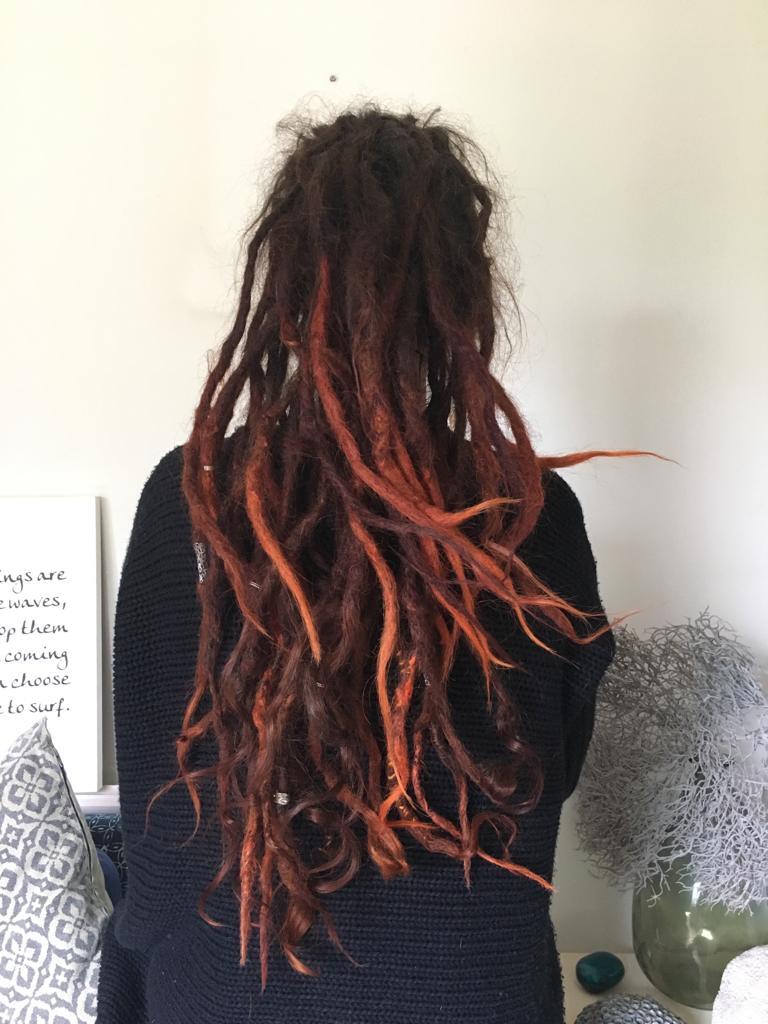
Overgrown Dreadlock Roots: Can They Be Remapped Without Losing Length?
Overgrown Dreadlock Roots: Can They Be Remapped Without Losing Length? If you have spent years growing your dreadlocks, the thought of losing that length can make it tempting to postpone dealing with overgrown roots. The dreadlocks may still look intact from the front, and you may be able to tie them back, style them and…

Dreadlocks Merging at the Root: What Is Going Wrong?
Dreadlocks Merging at the Root: What Is Going Wrong? You look in the mirror, touch the dreadlocks around the front and notice a little fuzz or regrowth. They may not look freshly maintained, but they do not appear disastrous either. What you cannot easily see is what is happening around the sides, through the crown…
Thinning Dreadlocks at the Root: What Usually Causes It?
Thinning Dreadlocks at the Root: What Usually Causes It? If one of your dreadlocks is becoming thinner at the root, it can be tempting to think it simply needs tightening, reinforcing or joining back together. Sometimes the dreadlock still feels attached. It may not be painful, and it may look almost normal unless you separate…

Can Weak Edges Recover After Heavy Dreadlocks?
Can Weak Edges Recover After Heavy Dreadlocks? Removing heavy dreadlocks can bring immediate relief. The front of the scalp may feel less sore, the pulling may stop, and the hairline can look softer once the weight is no longer drawing attention to every exposed area. That relief matters, but it does not always mean the…

Fragile Hairline & Dreadlocks: What Needs Assessing First?
Fragile Hairline & Dreadlocks: What Needs Assessing First? You may still have hair around the front of your scalp. It may grow, cover the skin and appear strong enough when you look in the mirror. Yet when you touch it, compare it with the hair further back or try to style it, you can feel…

Can You Get Dreadlocks After Traction Damage Has Already Started?
Dreadlocks After Traction Damage: What Needs Assessing First? If traction damage has already started and you still want dreadlocks, the answer is not always an immediate no. In some cases, dreadlocks may still be possible — but only if the scalp, root strength and remaining hair can genuinely support the direction you want to go…

Dreadlocks for Alopecia: When Coverage Is Possible & When It Is Not
Dreadlocks for Alopecia: Is Coverage Possible? If you are searching for dreadlocks for alopecia, you are probably not asking a casual style question. You may be looking at visible thinning, sparse areas, a fragile hairline, bald patches, or uneven density and wondering whether dreadlocks could help you feel more covered, more yourself, or less exposed.…

Crown Thinning & Dreadlocks: When Weight Becomes the Risk
Crown Thinning & Dreadlocks: When Weight Becomes the Risk If you have thinning around the crown and you are wondering whether dreadlocks are still possible, the answer is not a simple yes or no. Crown thinning dreadlocks may still be possible in some cases, but the crown has to be treated with far more caution…

Can You Add Dreadlock Extensions to Sparse Areas Without Causing More Loss?
Dreadlock Extensions Sparse Areas: What Needs Assessing First? If you have sparse areas and you are thinking about dreadlock extensions, the question is usually not just, “Can something be added there?” The more important question is whether that area can safely carry what you want added to it. That distinction matters. A sparse area can…

Are Partial Dreadlocks Safer Than a Full Head for Thinning Hair?
Partial Dreadlocks for Thinning Hair: Safer Than a Full Head? If your hair is thinning and you still want dreadlocks, it is very natural to wonder whether a partial head would be safer than committing to a full head. On the surface, it sounds logical. Less hair added, fewer dreadlocks, less weight, less risk. Sometimes…

Can Menopause-Related Hair Thinning Still Support Dreadlocks?
Menopause Hair Thinning & Dreadlocks: What Needs Assessing First? If your hair has started thinning during menopause or midlife, the question of dreadlocks can feel very different from how it might have felt ten years ago. It is not always just, “Can I get dreadlocks?” It is often, “Is my hair still strong enough?” “Will…
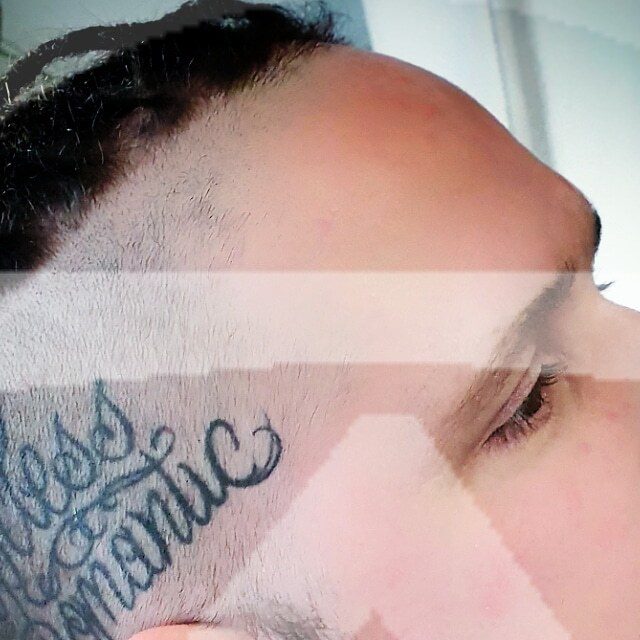
Fine Hair, Low Density & Dreadlocks: What Makes a Set Viable?
Fine Hair, Low Density & Dreadlocks: What Can Safely Hold? If you have fine hair or low density and you are wondering whether dreadlocks are still possible, the honest answer is: sometimes, yes — but not casually, and not from a dream photo alone. This is where a lot of people get caught. They find…

Dreadlocks for Hair That Breaks Before It Grows: What Is Still Safe?
Dreadlocks for Hair That Breaks Before It Grows: What Is Still Safe? If your hair grows but never seems to get past a certain length, dreadlocks can feel like a confusing dream. You may see new growth at the roots, but before the hair ever builds visible length or fullness, it snaps, thins, sheds, weakens,…
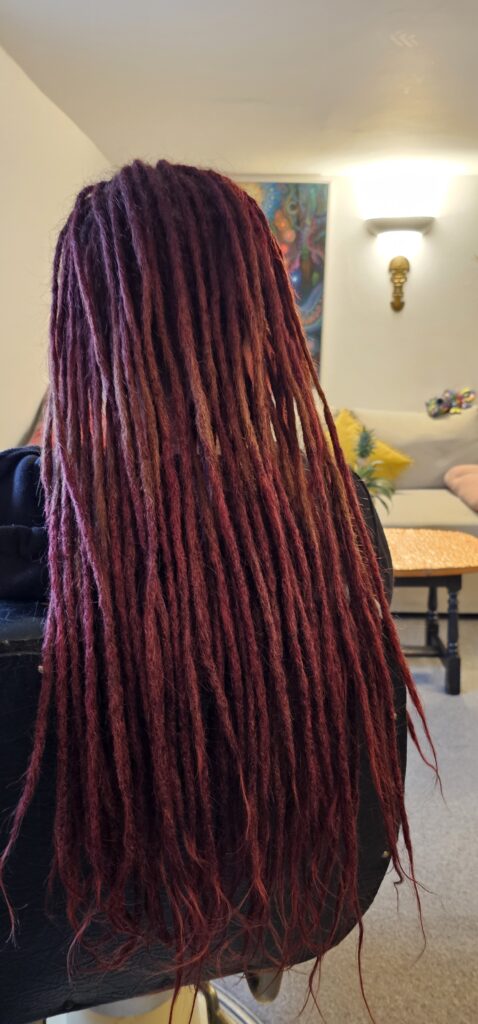
Hormonal Thinning & Dreadlocks: What Needs Assessing First?
Hormonal Thinning & Dreadlocks: What Needs Assessing First? When your hair starts changing because of hormones, dreadlocks can become a very emotional question. You may still have enough hair to look “workable” from the outside. You may still be able to tie it up, cover thinning areas, or imagine how dreadlocks could give your hair…

Thinning Hair & Dreadlocks: What Can Your Hair Safely Support?
Thinning Hair & Dreadlocks: What Can Your Hair Safely Support? If you have thinning hair and you want dreadlocks, the question usually feels bigger than hair. It is not just, “Can this be done?” It is, “Will this make my hair worse? Will I regret it? Am I about to put weight, tension, or structure…
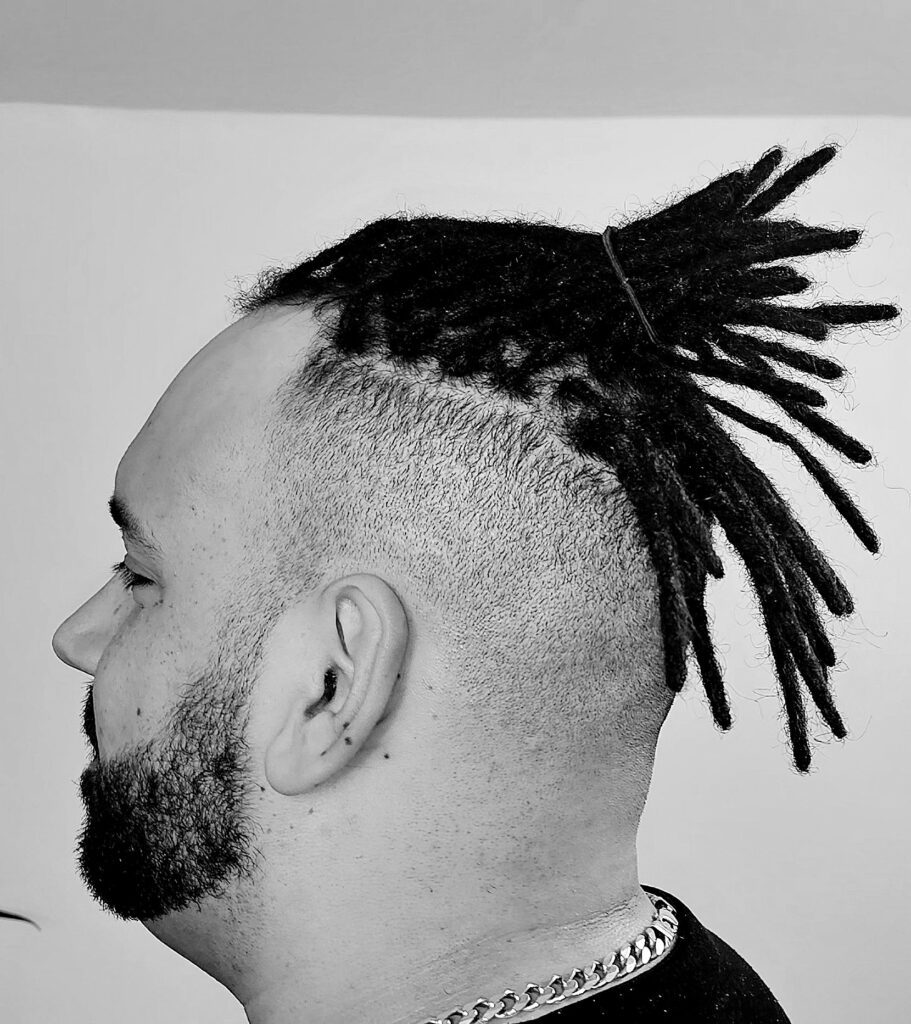
Thinning Hairline Dreadlock Repair: Can Weak Edges Be Protected?
Thinning Hairline Dreadlock Repair: Can Weak Edges Be Protected? If your dreadlocks are still important to you but your hairline is starting to feel weaker, lighter, or more exposed, it can be difficult to know what to do next. You may be looking at the front and wondering whether it needs repair, whether it can…

Can Extremely Thick Hair Be Made Into Neat Dreadlocks?
Can Extremely Thick Hair Be Made Into Neat Dreadlocks? Extremely thick hair can absolutely be made into neat dreadlocks in many cases — but it should not be treated as automatically easy just because there is a lot of hair to work with. That is one of the biggest misunderstandings I see with thick hair…

Straight, Silky Hair & Dreadlocks: Why Standard Methods Fail
Will Straight, Silky Hair Hold Dreadlocks Properly Long Term? If you have straight, silky hair and you are wondering whether dreadlocks will actually hold, the honest answer is: possibly — but not through guesswork. Straight hair dreadlocks can look successful in the beginning. The hair may be healthy, strong, glossy, and long enough to appear…
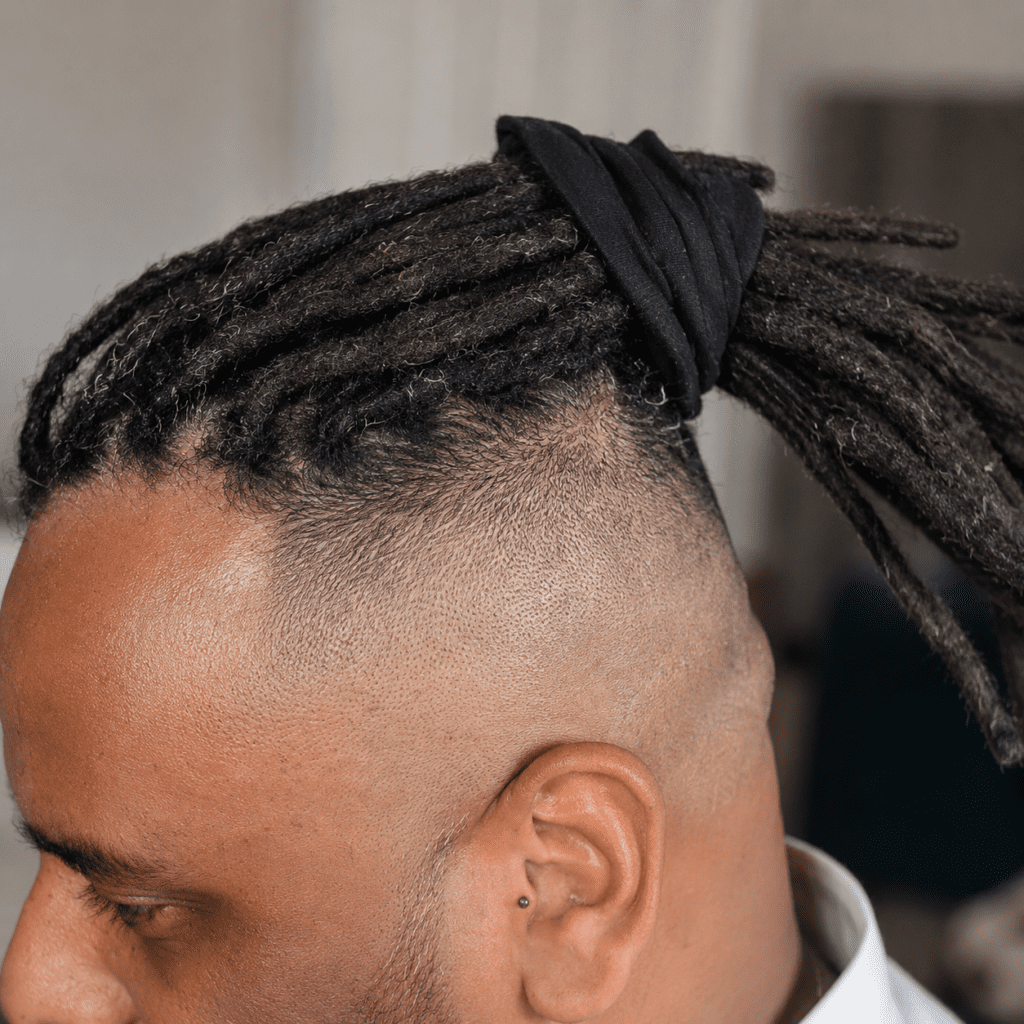
Asian Hair & Dreadlocks: What Method Holds Best Long Term?
Asian Hair & Dreadlocks: What Method Holds Best Long Term? If you have Asian hair and you are thinking about getting dreadlocks, one of the biggest questions is usually not just “Can my hair dread?” It is: “What method will actually hold long term?” That question matters, because Asian hair can be deceptive. It can…

Can Straight, Resistant Asian Hair Hold Dreadlocks Properly?
Can Straight, Resistant Asian Hair Hold Dreadlocks Properly? Asian hair can absolutely hold dreadlocks in some cases — but it is not as simple as “you have lots of strong hair, so dreads will be easy.” That is one of the biggest misunderstandings I see with straight, resistant Asian hair. From the outside, the hair…
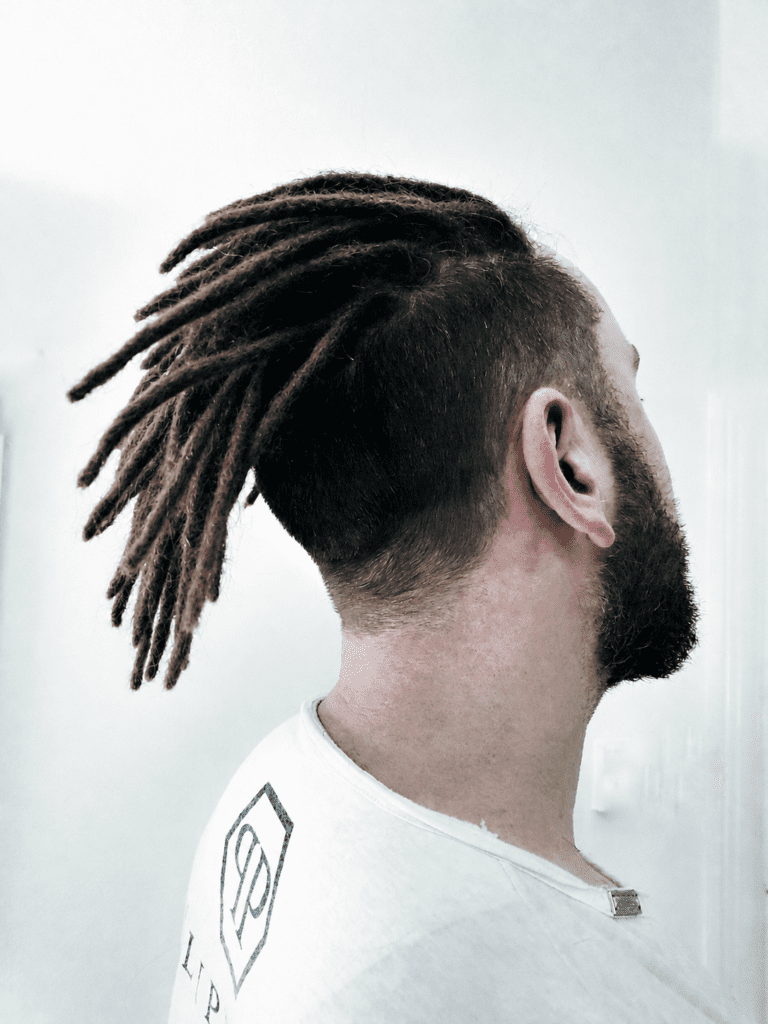
Can Fragile Roots Support Permanent Dreadlock Extensions?
Can Fragile Roots Support Permanent Dreadlock Extensions? What Needs Assessing First If you have fragile roots and you are wondering whether permanent dreadlock extensions are possible, the honest answer is: sometimes, yes — but not by copying someone else’s head of hair. This is where many people get caught. They send an amazing reference photo…
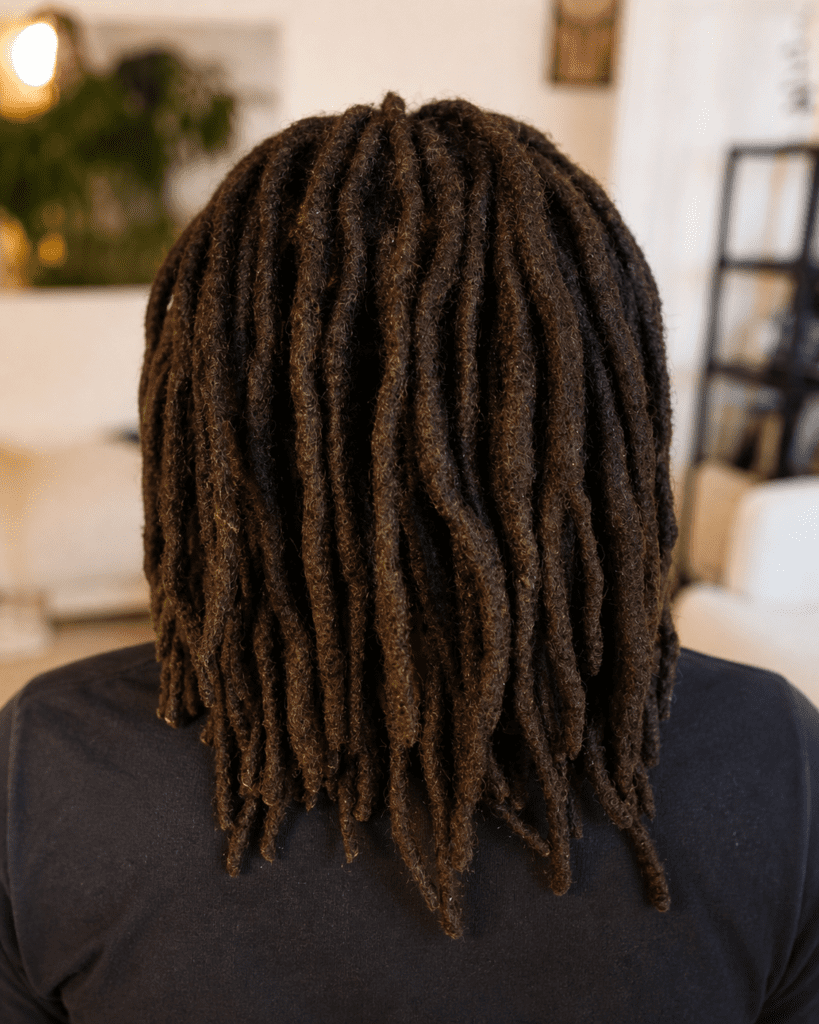
Can Thinning Temples Hold Dreadlock Extensions?
Can Thinning Temples Hold Dreadlock Extensions? What Needs Assessing First If your temples are thinning and you still want dreadlock extensions, the fear underneath that question is usually very real. Most people are not just asking whether the style will suit them. They are asking whether the weakest part of the hairline could end up…
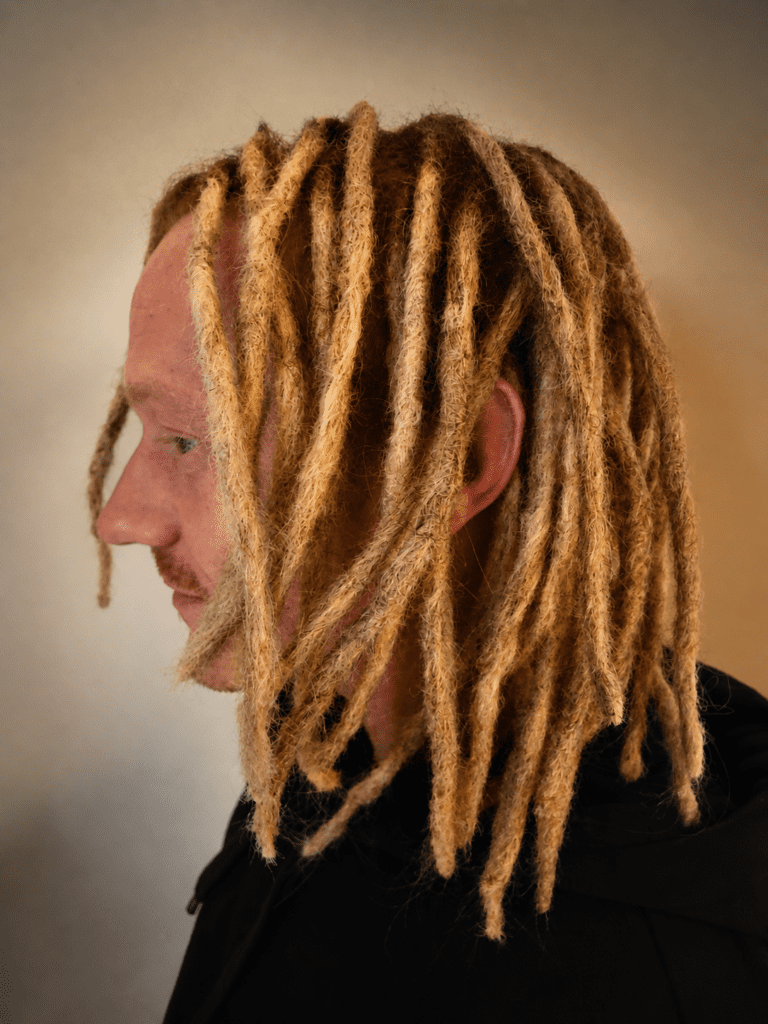
Bald Spot Dreadlock Options: What Is Safe & What Is Not?
Bald Spot Dreadlock Options: What Is Safe & What Is Not? If you have a bald spot and you are wondering whether dreadlocks are still possible, the honest answer is: sometimes, yes — but not by guessing. A bald spot does not automatically rule dreadlocks out. In some cases, there may be more options than…
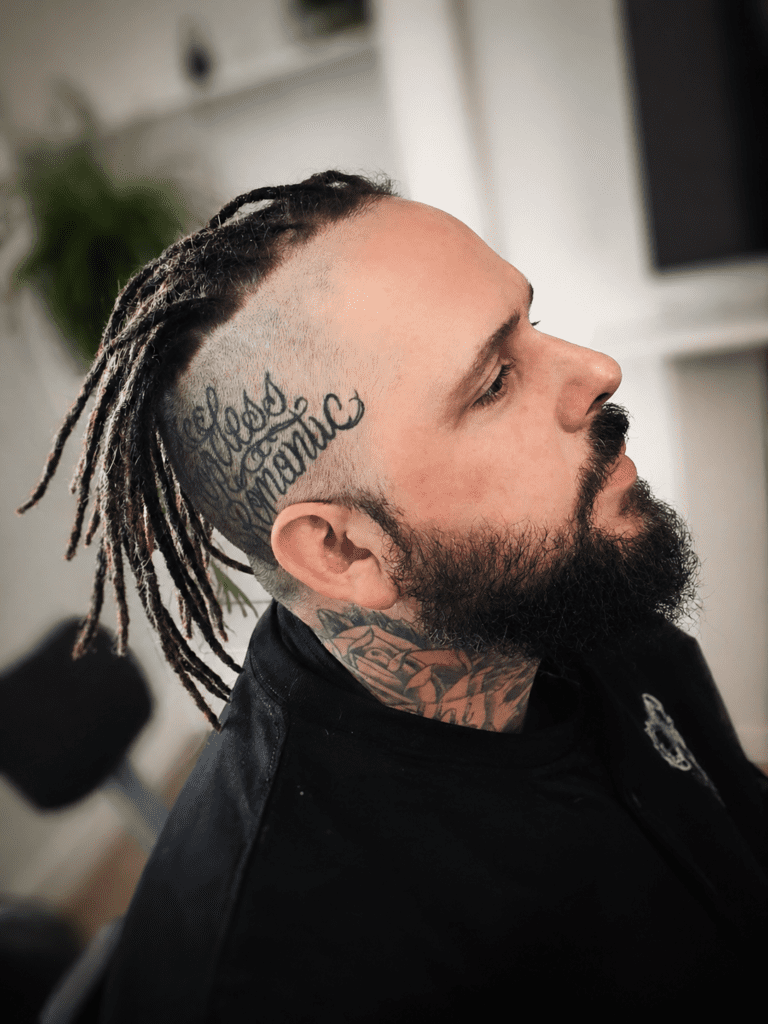
Receding Hairline & Dreadlocks: What Can Still Be Done Safely?
Receding Hairline & Dreadlocks: What Can Still Be Done Safely? If your hairline is already receding and you still want dreadlocks, the fear underneath that question is usually very real. Most people are not just wondering whether the style will suit them. They are wondering whether one wrong decision could take an already fragile front…

Can You Get Dreadlocks if Your Hair Is Thinning and Won’t Grow Past a Certain Length?
Receding Hairline & Dreadlocks: What Can Still Be Done Safely? If your hairline is already receding and you still want dreadlocks, the fear underneath that question is usually very clear. It is not just, “Will this suit me?” It is, “If I get this wrong, could I lose even more of the front?” That fear…
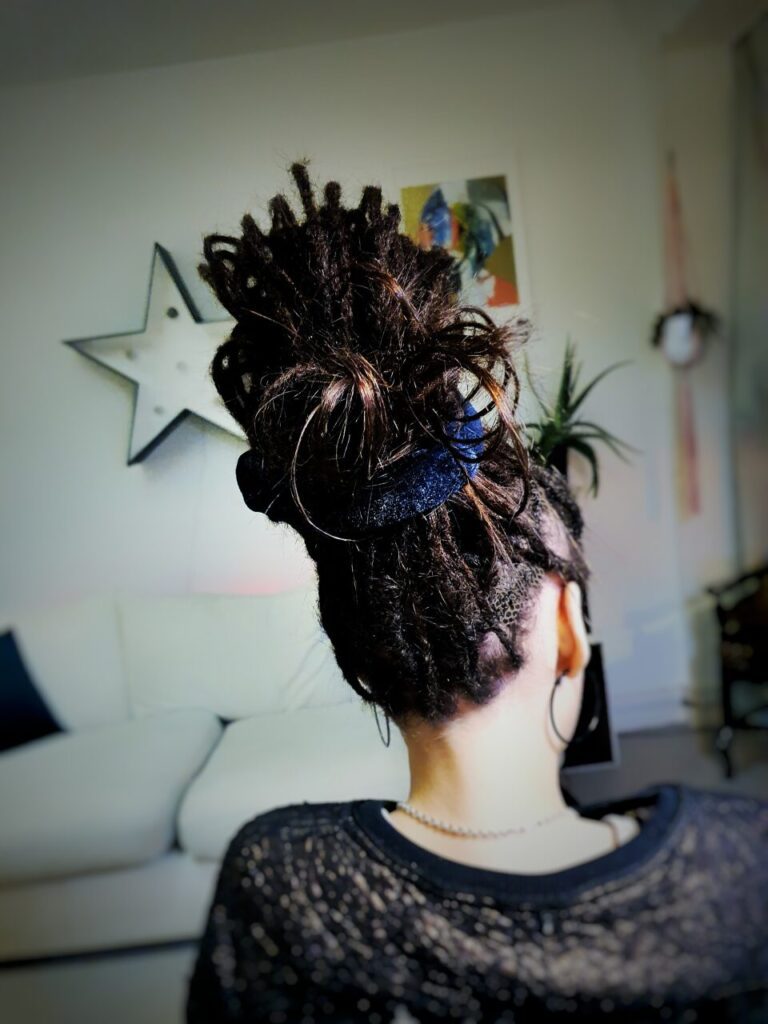
When Should You Not Get Dreadlocks? What to Assess First
When Should You Not Get Dreadlocks? What to Assess First Sometimes the problem is not dreadlocks themselves. The problem is trying to approach a complex hair situation with a standard dreadlock plan. If the hair is thinning, the scalp is sensitive, the roots are weak, or there are bald or fragile areas, the question is…
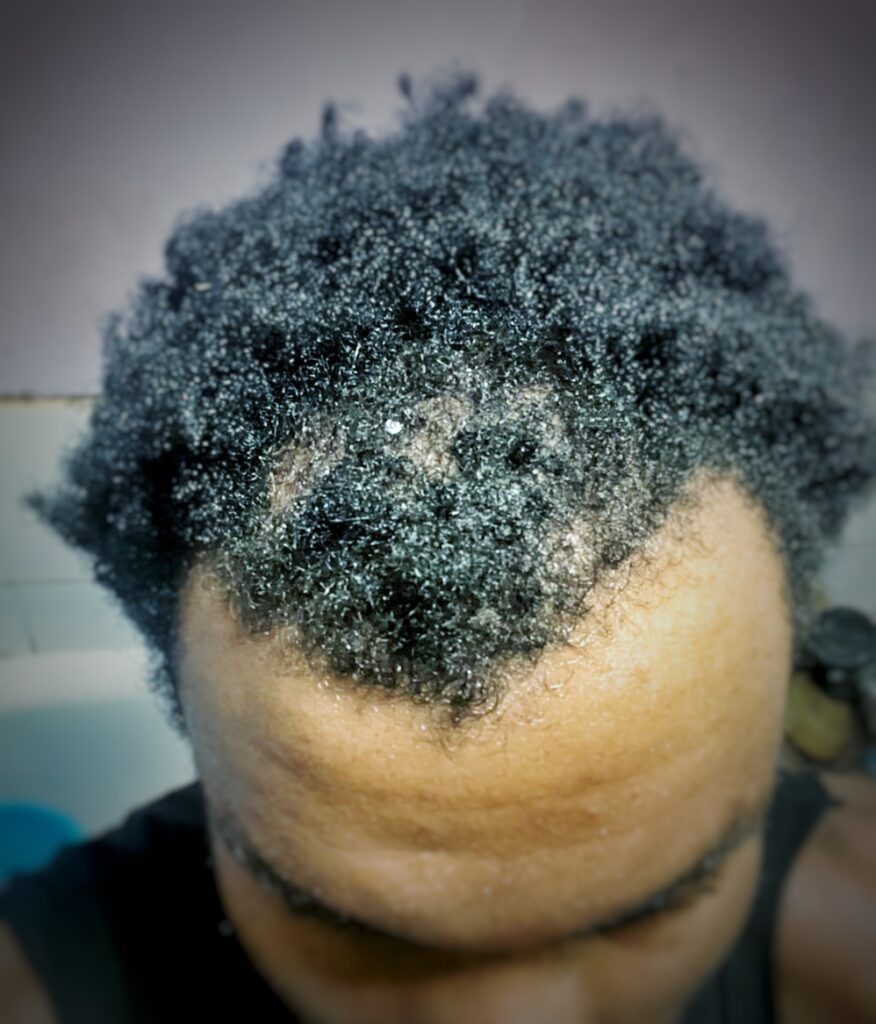
Can Dreadlocks Cause Thinning Hair? What Actually Causes the Damage
If your dreadlocks feel thinner at the root than they used to, this question is not theoretical. You are usually trying to work out whether dreadlocks themselves are the problem, whether the maintenance has become too harsh, or whether your hair has been carrying more stress than it can safely sustain. That distinction matters. Because…

Interlocking vs Intermatting: Why Method Matters for Thinning Hair
If you have fine, thinning, or already vulnerable hair, the method used at the root is not a small detail. It can be the difference between something that feels secure in the short term and something your hair can actually sustain over time. That is why the conversation around interlocking vs intermatting matters so much…

Dreadlock Repair After Damage: Can Thinning Hair Be Recovered?
When dreadlocks start going wrong, people usually know something feels off long before they know what to call it. The roots feel weaker. Certain sections start pulling. Some areas look thinner. Extensions stop feeling secure. The hairline changes. And what began as “maybe it just needs maintenance” turns into a quiet fear that something more…

Can You Get Dreadlock Extensions With 1 Inch of Hair? What Actually Decides
If you have been told your hair is too short for dreadlock extensions, you are not imagining how frustrating that feels. Especially if your hair is also fine, fragile, thinning, traction-affected, or already carrying the stress of previous work. At that point, this is no longer just a style question. You are trying to work…
Do Dreadlocks Cause Traction Alopecia? What Actually Damages the Hairline
If your hairline already feels vulnerable, this question is not casual. You are not just asking whether dreadlocks look good. You are trying to work out whether they could cost you more density, more breakage, or more visible loss — or whether the real risk is simply having the wrong work done. That distinction matters.…