


Thinning Dreadlocks at the Root: What Usually Causes It?
If one of your dreadlocks is becoming thinner at the root, it can be tempting to think it simply needs tightening, reinforcing or joining back together.
Sometimes the dreadlock still feels attached. It may not be painful, and it may look almost normal unless you separate the surrounding hair and examine the root closely. That can make the problem feel less urgent than it really is.
But thinning dreadlocks at the root are often an early warning that the relationship between the dreadlock and the hair supporting it has changed. The dreadlock may still be present while the natural section beneath it is becoming smaller, more exposed or less capable of carrying the same demand.
That does not automatically mean the dreadlock will fall out. It does mean the area should not be treated as routine maintenance until somebody understands why the support has reduced.
The visible thin point is only the symptom. The more important question is what has been happening underneath it.
Thinning dreadlocks at the root: what needs to be understood?
- Thinning dreadlocks at the root are often a structural warning sign, not simply a sign that maintenance is overdue.
- The dreadlock may still be attached even though the natural section supporting it has become smaller, weaker or less stable.
- Repeated tension, changing density, accumulated dreadlock weight and unsuitable past maintenance can all contribute.
- Repair may still be possible, but the cause needs assessing before anybody tightens, adds hair or covers the weakened area.
Why Do Dreadlocks Become Thin at the Root?
There is rarely one universal cause.
In practice, I see root thinning where the dreadlock itself has continued to mature, gain length and collect more weight while the natural section beneath it has gradually changed. The dreadlock may be larger than it was several years ago, but the amount of reliable hair supporting it may no longer be the same.
Hair density can also change over time. Stress, age, hormonal changes, illness, active shedding, previous tension and general hair history can all alter how much support is present in different areas of the scalp.
The original dreadlock may have been completely suitable when it was created. Years later, however, the hairline, crown or individual root sections may be behaving differently.
This is particularly important for people who have worn dreadlocks for a long time. The set may still be based on the same original sections, even though the hair, scalp, lifestyle and weight of the dreadlocks have all changed.
The Dreadlock Can Grow While the Root Becomes Smaller
A mature dreadlock does not stay physically static.
It can become longer, heavier and more substantial as new growth, loose hair and natural matter become part of it. At the same time, the root section can lose density through breakage, shedding, repeated tension or changing hair behaviour.
That mismatch can develop slowly.
The dreadlock may appear strong through the length while the connection at the scalp becomes increasingly narrow. Because the change is gradual, many people do not notice it until the dreadlock begins hanging differently, feeling unstable or exposing more scalp than before.
This is why an attached dreadlock is not automatically a secure dreadlock.
When Normal Maintenance Is No Longer the Right Category
A thinning root is often mistaken for loose regrowth.
The client may book maintenance expecting the dreadlock to be tightened and made neat again. But if the natural support has reduced, pulling the remaining hair together more firmly does not necessarily solve the structural problem.
It can make the area look tidier for a short period while placing more demand on the few hairs that remain.
This is where a maintenance appointment can quietly become the wrong service.
A thinning root may now need repair assessment, reconstruction planning, restraint or a wider review of the dreadlock set. The safest option cannot be decided from the appearance of one weak point alone.
This is why I do not treat thinning dreadlocks at the root as a standard maintenance service.
The root needs to be understood before more work is added.
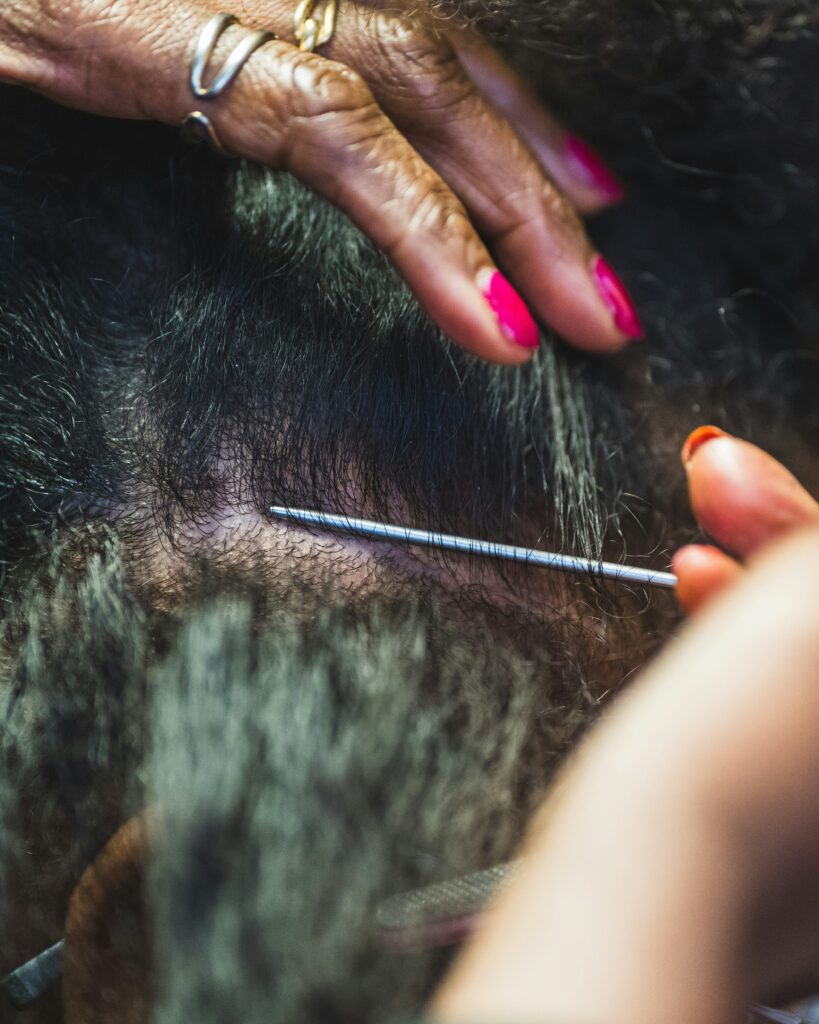
Is your hairline being treated like a tidy-up problem?
Weak edges and thinning front sections require more than tightening or visually filling the area. The root support needs to be understood before anybody works on a vulnerable hairline.
Read: Receding Hairline & Dreadlocks — What Can Still Be Done Safely?
Common Reasons Root Support Changes
Root thinning can happen for several overlapping reasons. The purpose of recognising these patterns is not to diagnose your own hair, but to understand why a generic repair answer may be unsafe.
The Dreadlock Has Become Too Demanding for the Section
A dreadlock that was comfortable when shorter may become more demanding as it gains length and weight.
This does not mean long dreadlocks are automatically harmful. It means the relationship between the dreadlock and its natural support needs to remain balanced.
If the root section has become smaller while the dreadlock has continued gaining weight, the weak point may eventually become more visible.
Repeated Tension Has Been Normalised
Some people become accustomed to tightness during maintenance.
They assume soreness, pulling or tenderness is simply part of wearing dreadlocks. Over time, repeated strain on the same section can become a pattern that the client stops questioning.
Discomfort should not automatically be treated as proof that the maintenance has been effective. A neat root is not valuable if the remaining hair has been placed under more pressure to create it.
Previous Repairs Have Covered the Symptom
A weakened area may already have been repaired several times.
The root may have been reinforced, tightened or visually filled without anybody stepping back to ask why it keeps thinning again. Each repair may improve the appearance temporarily while the original cause remains active.
When the same dreadlock repeatedly needs rescuing, the question should change from “How do we fix it again?” to “Why is this section unable to remain stable?”
Different Maintenance Approaches Have Been Mixed
People often move between locticians, salons and maintenance methods over the lifetime of their dreadlocks.
Each person may be working to the best of their knowledge, but repeated changes in approach can affect how the roots are handled, how surrounding hair is incorporated and how individual sections behave.
The result may not fail immediately. It may show later through stretched roots, inconsistent section sizes, crossover matting, repeated breakage or dreadlocks that no longer sit comfortably.
The Hair Itself Has Changed
A dreadlock set can last through major changes in a person’s life.
The hair someone had in their twenties may not behave identically in their forties or fifties. Density can become less even. The hairline may soften. The crown may become more visible. Individual sections may stop producing the same amount of strong regrowth.
The original dreadlocks may still look familiar, but the scalp carrying them is not frozen in time.
Why Root Thinning Is Easy to Miss at First
Root thinning rarely announces itself dramatically.
The section may still have surrounding loose hair. The dreadlock may lie against neighbouring dreadlocks and appear supported. Fresh maintenance may make the area look neat enough to stop the client worrying.
The real weakness often becomes clearer when the dreadlock is isolated.
You may notice that the connection is much narrower than the body of the dreadlock, that the dreadlock pulls sideways, or that the scalp line around it appears more exposed than it used to.
The delayed nature of the problem is what makes guesswork expensive. By the time the dreadlock is hanging by a very small amount of hair, the repair options may be more limited and the work more complex.
Earlier assessment usually creates more room for a protective decision.
Warning Signs That Should Not Be Ignored
A single thinner root does not automatically mean an emergency. However, certain changes suggest the area needs examining before ordinary maintenance continues.
- a dreadlock hanging from a visibly narrowed section
- soreness, tenderness or repeated pulling around the same root
- scalp exposure that is increasing between appointments
- several neighbouring dreadlocks becoming thin together
- roots that repeatedly weaken after being repaired
- dreadlocks sitting at unusual angles because their support has shifted
- breakage, active shedding or sudden density changes elsewhere on the scalp
If the thinning is sudden, widespread, painful, inflamed or connected with broader hair loss, medical guidance may also be appropriate before further dreadlock work is planned.
A dreadlock specialist can assess structural suitability. Medical diagnosis and treatment sit with an appropriately qualified healthcare professional.
Why Tightening the Root Can Make Things Worse
When a dreadlock feels loose, tightening can seem like the obvious answer.
But a loose root and a thinning root are not always the same problem.
Loose regrowth may still contain healthy, stable support that simply needs appropriate maintenance. A thinning root may contain less hair than before, meaning the remaining strands are already carrying more responsibility.
Pulling that smaller section together more firmly can create the appearance of strength without creating genuine support.
This is where the client can end up paying for neatness while the vulnerability underneath continues.
The work may look successful immediately after the appointment. Weeks or months later, the same dreadlock may thin again, become painful or finally detach.
The issue is not that repair should never happen. The issue is that repair should not begin before the cause of the weakening has been considered.
Dreadlock repair or wider reconstruction?
Some weakened roots are isolated. Others are part of a wider pattern across the set. Assessment helps determine whether you are dealing with one damaged connection or a larger structural change.

Can a Thinning Dreadlock Root Be Repaired?
In some cases, yes.
A thinning root does not automatically mean the dreadlock has to be removed. There may still be enough viable hair and scalp support to consider a protective repair or reconstruction route.
However, repairability is not determined by whether the dreadlock is still attached.
The wider section needs to be considered, along with the surrounding density, the condition of the remaining hair, the weight and length of the dreadlock, the history of previous repairs and whether the cause of the thinning is still active.
Some dreadlocks can be preserved. Some may need a different structural decision. Some areas may need to be left alone for a period rather than being immediately rebuilt.
A protective pause is not failure. It can prevent a weakened area from being pushed beyond what it can currently manage.
Repairing One Dreadlock Without Looking at the Whole Set
The weakest dreadlock often receives all the attention.
But an isolated thin root can be part of a larger pattern. Nearby dreadlocks may be carrying uneven weight. Sections may have changed shape. Hair may be crossing between roots or compensating for areas that have already lost support.
The dreadlock that looks closest to snapping may not be the only concern.
A specialist assessment looks beyond the obvious weak point and considers how the set is functioning as a whole. That does not mean every client needs a full reconstruction. It means the visible problem should be interpreted in context.
Repairing one dreadlock without understanding the neighbouring structure can sometimes move the strain rather than resolve it.
The Emotional Cost of Waiting Until the Dreadlock Falls Out
People often delay because they are frightened of what they will be told.
They may worry that the dreadlock will have to be removed, that the entire set is failing or that they have already left it too late.
That fear is understandable. Dreadlocks can carry years of identity, growth, memories and personal meaning. Losing one can feel far more significant than losing an ordinary section of hair.
But waiting for the dreadlock to detach does not protect it.
It can reduce the amount of natural support left to work with and turn an early repair question into a more involved correction.
The safest outcome may not always be the answer the client originally hoped for. But a clear answer before further loss is usually kinder than repeated temporary fixes that create false reassurance.
The Difference Between Looking Repairable and Being Suitable for Repair
A root may look as though it could be joined, filled or strengthened.
That visual possibility is not the same as structural suitability.
The area may contain hair, but the hair may be too unstable, too sparse or still actively changing. The dreadlock itself may be carrying more weight than the root can reasonably support. The surrounding sections may also need attention before one root is altered.
This is where specialist judgement becomes more valuable than internet advice.
A photograph can show that the dreadlock is thin. It cannot fully show how the root feels, how the scalp responds, what has happened during previous maintenance, whether the surrounding sections are compensating or how the dreadlock behaves through sleep, washing and movement.
Information can explain why root thinning matters. Assessment determines what should happen next.
When weak roots are carrying permanent weight
Fragile roots can sometimes support permanent dreadlock work, but visible hair is not automatically reliable support. Long-term comfort matters more than first-day appearance.
Read: Thinning Hair & Dreadlocks — What Can Your Hair Safely Support?
When Repair Should Wait
There are situations where more dreadlock work should not be the immediate next step.
If the area is extremely sore, actively shedding, inflamed, broken down or changing quickly, it may need rest or appropriate medical guidance before a permanent repair is considered.
The same applies when several roots are becoming thin in a short period. That may suggest a broader change in the hair or scalp rather than one isolated maintenance issue.
Waiting does not mean abandoning the dreadlocks.
It means protecting the remaining hair while the situation becomes clearer. A considered pause can preserve more options than repeatedly working on an area that is not stable.
Why Specialist Assessment Matters Before Repair
A specialist assessment is not simply a quote for joining a weakened dreadlock.
It is the point where the problem is placed in the correct category.
The assessment considers whether the issue is ordinary maintenance, isolated root repair, wider reconstruction, changing density, accumulated weight, repeated tension or a situation that should not be worked on yet.
It also protects the client from paying for the wrong service.
A quick cosmetic repair may cost less at first, but it becomes expensive if the dreadlock weakens again, the surrounding hair is placed under more pressure or the client later needs a larger reconstruction.
The consultation exists to stop the decision being made from panic, appearance or assumption.
What Thinning Roots Are Really Telling You
A thinning dreadlock root is not automatically the end of that dreadlock.
It is information.
It tells you that the support beneath the dreadlock may no longer be functioning as it once did. That could be connected with accumulated weight, repeated tension, changing density, previous maintenance, breakage or a combination of factors.
The important step is not making the root look thicker as quickly as possible. It is understanding why it became thinner and whether the remaining hair can safely support repair.
Early assessment may reveal that the dreadlock can be protected. It may show that the set needs a wider reconstruction plan. It may also confirm that the safest decision is to pause rather than keep working on an unstable area.
The goal is not simply to save a dreadlock at any cost.
The goal is to protect the hair, scalp and long-term structure that remain.
FAQ: Thinning Dreadlocks at the Root
Root thinning can develop when the natural hair supporting the dreadlock becomes less dense, damaged or unable to carry the same weight as before. Repeated tension, changing hair density, breakage, previous repairs and the growing weight of mature dreadlocks can all contribute.
The exact cause cannot always be identified from appearance alone, especially when several factors have built up over time.
Not necessarily, but it does mean the connection may be becoming less secure.
A dreadlock can remain attached for a considerable period even when the root is severely reduced. Waiting until it is hanging by a few strands can make preservation more difficult, so earlier assessment is usually safer.
Some thinning roots can be repaired or reconstructed without removing the whole dreadlock.
Whether that is suitable depends on the amount and condition of the natural hair remaining, the weight of the dreadlock, the surrounding density and why the root weakened in the first place.
Do not assume tightening is the correct answer.
If the root is genuinely thinning rather than simply loose with healthy regrowth, tightening may place more pressure on the remaining hairs. The area should be assessed before more tension or added hair is introduced.
Added hair can sometimes improve appearance without resolving the support problem underneath.
If the natural root is already compromised, adding more material may create additional demand. The question is not only whether the thin area can be covered, but whether it can safely carry the finished repair.
An isolated root may have experienced repeated pulling, uneven weight, previous damage or maintenance that affected that section differently from the rest.
It may also be the first visible sign of a wider change. The neighbouring roots should be considered rather than assuming the problem exists in complete isolation.
Several thinning roots may indicate a broader structural or hair-density change.
Continuing normal maintenance without understanding that pattern could increase the problem. A wider assessment may be needed to decide whether repair, reconstruction, reduced weight, rest or medical guidance is appropriate.
Maintenance should not repeatedly leave you in significant pain.
Some temporary sensitivity can occur, but ongoing soreness, pulling, tenderness or a feeling that the scalp is being forced should not be normalised. Pain around a thinning root deserves particular caution.
Long dreadlocks can place more demand on the natural sections supporting them, especially if the root density has changed.
Length alone does not determine whether a dreadlock is unsafe, but the relationship between the dreadlock’s weight and the strength of its root needs to remain suitable over time.
One thin dreadlock may be a small isolated problem, or it may be the visible point of a wider structural change.
The consultation helps identify the correct level of work before anybody tightens, fills or reconstructs the area. That can prevent a small concern from becoming a repeated repair or a larger correction later.
Have Your Thinning Roots Assessed Before More Work Is Added
If one or more dreadlocks are becoming thinner at the root, the safest next step is not automatically tighter maintenance.
A specialist assessment can clarify what has changed, whether the dreadlock can still be supported, and whether the right route is repair, reconstruction, restraint or a wider review of the set.
We BeLiEve YoU Are ALL AwEsOme & DeSeRve To StAnD Out
Bad Dreadlock Sections: Can Mapping Be Fixed Without Starting Again?
Bad Dreadlock Sections: Can Mapping Be Fixed Without Starting Again? You may already know that your dreadlock sections do not feel right, even if you cannot clearly explain what is wrong with them. Perhaps some dreadlocks feel much heavier than others. The roots may pull in different directions, certain sections may repeatedly merge, or the…
Overgrown Dreadlock Roots: Can They Be Remapped Without Losing Length?
Overgrown Dreadlock Roots: Can They Be Remapped Without Losing Length? If you have spent years growing your dreadlocks, the thought of losing that length can make it tempting to postpone dealing with overgrown roots. The dreadlocks may still look intact from the front, and you may be able to tie them back, style them and…

Dreadlocks Merging at the Root: What Is Going Wrong?
Dreadlocks Merging at the Root: What Is Going Wrong? You look in the mirror, touch the dreadlocks around the front and notice a little fuzz or regrowth. They may not look freshly maintained, but they do not appear disastrous either. What you cannot easily see is what is happening around the sides, through the crown…

Thinning Dreadlocks at the Root: What Usually Causes It?
Thinning Dreadlocks at the Root: What Usually Causes It? If one of your dreadlocks is becoming thinner at the root, it can be tempting to think it simply needs tightening, reinforcing or joining back together. Sometimes the dreadlock still feels attached. It may not be painful, and it may look almost normal unless you separate…

Can Weak Edges Recover After Heavy Dreadlocks?
Can Weak Edges Recover After Heavy Dreadlocks? Removing heavy dreadlocks can bring immediate relief. The front of the scalp may feel less sore, the pulling may stop, and the hairline can look softer once the weight is no longer drawing attention to every exposed area. That relief matters, but it does not always mean the…

Fragile Hairline & Dreadlocks: What Needs Assessing First?
Fragile Hairline & Dreadlocks: What Needs Assessing First? You may still have hair around the front of your scalp. It may grow, cover the skin and appear strong enough when you look in the mirror. Yet when you touch it, compare it with the hair further back or try to style it, you can feel…

Can You Get Dreadlocks After Traction Damage Has Already Started?
Dreadlocks After Traction Damage: What Needs Assessing First? If traction damage has already started and you still want dreadlocks, the answer is not always an immediate no. In some cases, dreadlocks may still be possible — but only if the scalp, root strength and remaining hair can genuinely support the direction you want to go…

Dreadlocks for Alopecia: When Coverage Is Possible & When It Is Not
Dreadlocks for Alopecia: Is Coverage Possible? If you are searching for dreadlocks for alopecia, you are probably not asking a casual style question. You may be looking at visible thinning, sparse areas, a fragile hairline, bald patches, or uneven density and wondering whether dreadlocks could help you feel more covered, more yourself, or less exposed.…

Crown Thinning & Dreadlocks: When Weight Becomes the Risk
Crown Thinning & Dreadlocks: When Weight Becomes the Risk If you have thinning around the crown and you are wondering whether dreadlocks are still possible, the answer is not a simple yes or no. Crown thinning dreadlocks may still be possible in some cases, but the crown has to be treated with far more caution…

Can You Add Dreadlock Extensions to Sparse Areas Without Causing More Loss?
Dreadlock Extensions Sparse Areas: What Needs Assessing First? If you have sparse areas and you are thinking about dreadlock extensions, the question is usually not just, “Can something be added there?” The more important question is whether that area can safely carry what you want added to it. That distinction matters. A sparse area can…

Are Partial Dreadlocks Safer Than a Full Head for Thinning Hair?
Partial Dreadlocks for Thinning Hair: Safer Than a Full Head? If your hair is thinning and you still want dreadlocks, it is very natural to wonder whether a partial head would be safer than committing to a full head. On the surface, it sounds logical. Less hair added, fewer dreadlocks, less weight, less risk. Sometimes…

Can Menopause-Related Hair Thinning Still Support Dreadlocks?
Menopause Hair Thinning & Dreadlocks: What Needs Assessing First? If your hair has started thinning during menopause or midlife, the question of dreadlocks can feel very different from how it might have felt ten years ago. It is not always just, “Can I get dreadlocks?” It is often, “Is my hair still strong enough?” “Will…
Fine Hair, Low Density & Dreadlocks: What Makes a Set Viable?
Fine Hair, Low Density & Dreadlocks: What Can Safely Hold? If you have fine hair or low density and you are wondering whether dreadlocks are still possible, the honest answer is: sometimes, yes — but not casually, and not from a dream photo alone. This is where a lot of people get caught. They find…

Dreadlocks for Hair That Breaks Before It Grows: What Is Still Safe?
Dreadlocks for Hair That Breaks Before It Grows: What Is Still Safe? If your hair grows but never seems to get past a certain length, dreadlocks can feel like a confusing dream. You may see new growth at the roots, but before the hair ever builds visible length or fullness, it snaps, thins, sheds, weakens,…
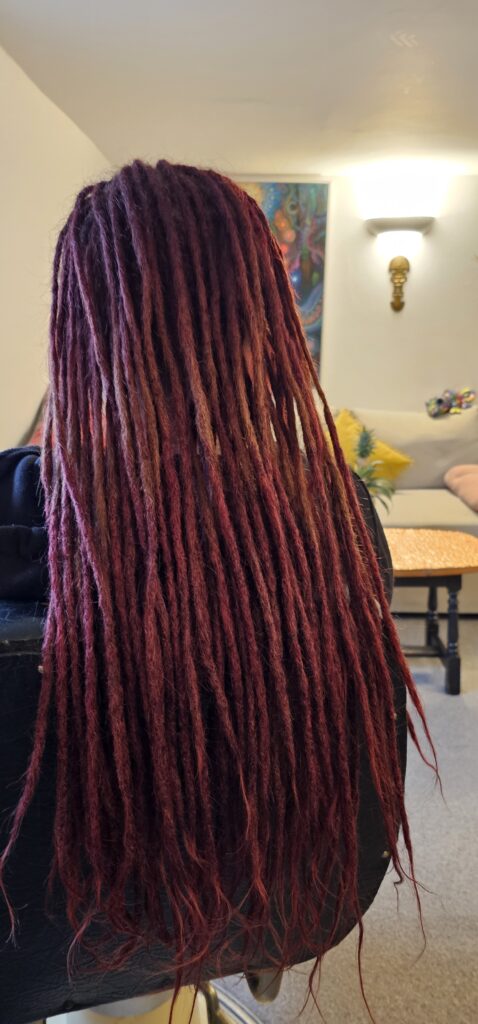
Hormonal Thinning & Dreadlocks: What Needs Assessing First?
Hormonal Thinning & Dreadlocks: What Needs Assessing First? When your hair starts changing because of hormones, dreadlocks can become a very emotional question. You may still have enough hair to look “workable” from the outside. You may still be able to tie it up, cover thinning areas, or imagine how dreadlocks could give your hair…

Thinning Hair & Dreadlocks: What Can Your Hair Safely Support?
Thinning Hair & Dreadlocks: What Can Your Hair Safely Support? If you have thinning hair and you want dreadlocks, the question usually feels bigger than hair. It is not just, “Can this be done?” It is, “Will this make my hair worse? Will I regret it? Am I about to put weight, tension, or structure…
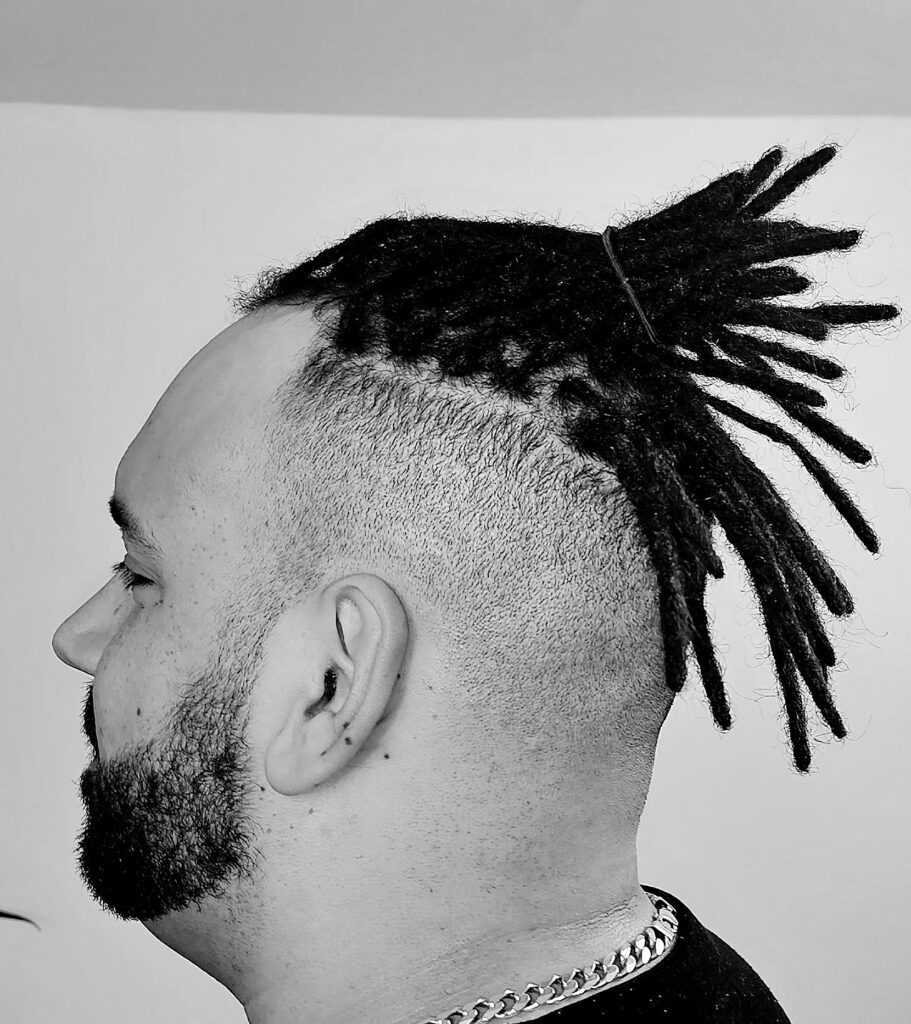
Thinning Hairline Dreadlock Repair: Can Weak Edges Be Protected?
Thinning Hairline Dreadlock Repair: Can Weak Edges Be Protected? If your dreadlocks are still important to you but your hairline is starting to feel weaker, lighter, or more exposed, it can be difficult to know what to do next. You may be looking at the front and wondering whether it needs repair, whether it can…

Can Extremely Thick Hair Be Made Into Neat Dreadlocks?
Can Extremely Thick Hair Be Made Into Neat Dreadlocks? Extremely thick hair can absolutely be made into neat dreadlocks in many cases — but it should not be treated as automatically easy just because there is a lot of hair to work with. That is one of the biggest misunderstandings I see with thick hair…

Straight, Silky Hair & Dreadlocks: Why Standard Methods Fail
Will Straight, Silky Hair Hold Dreadlocks Properly Long Term? If you have straight, silky hair and you are wondering whether dreadlocks will actually hold, the honest answer is: possibly — but not through guesswork. Straight hair dreadlocks can look successful in the beginning. The hair may be healthy, strong, glossy, and long enough to appear…
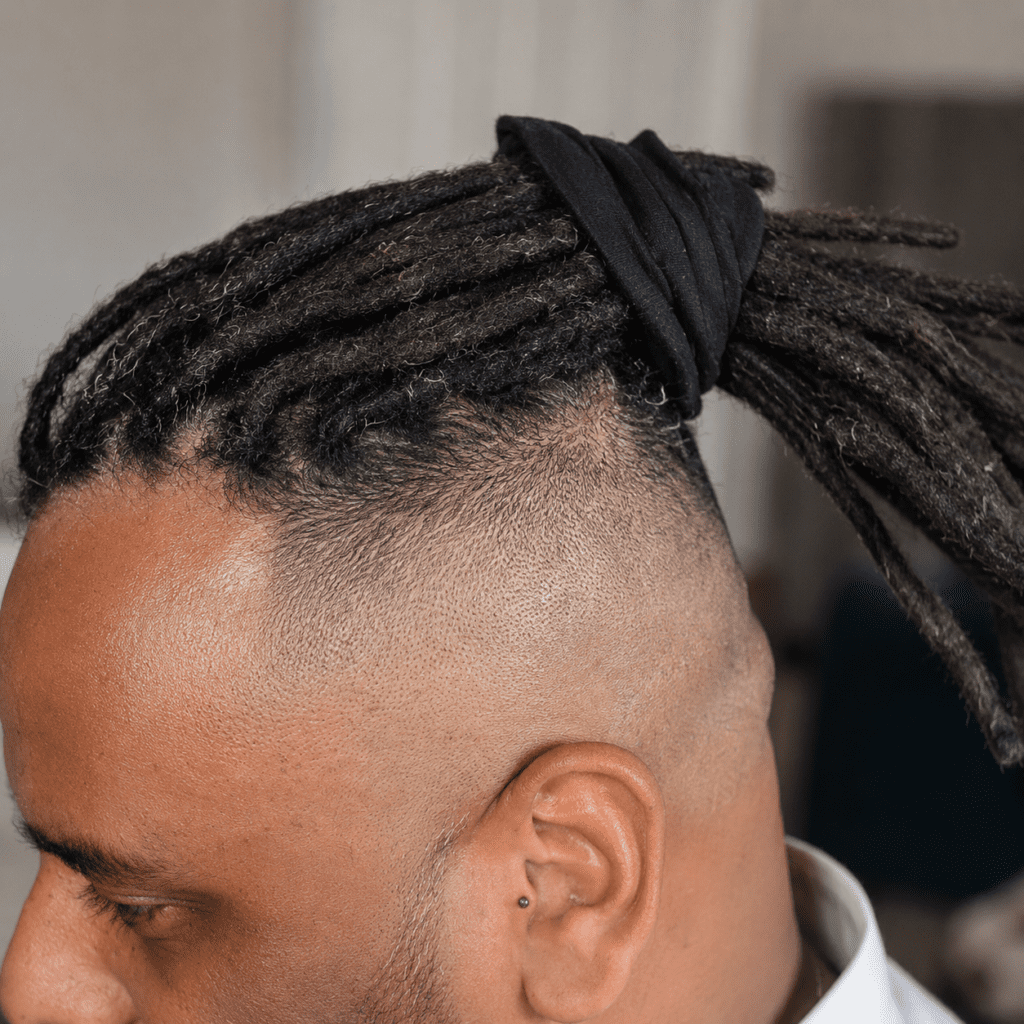
Asian Hair & Dreadlocks: What Method Holds Best Long Term?
Asian Hair & Dreadlocks: What Method Holds Best Long Term? If you have Asian hair and you are thinking about getting dreadlocks, one of the biggest questions is usually not just “Can my hair dread?” It is: “What method will actually hold long term?” That question matters, because Asian hair can be deceptive. It can…
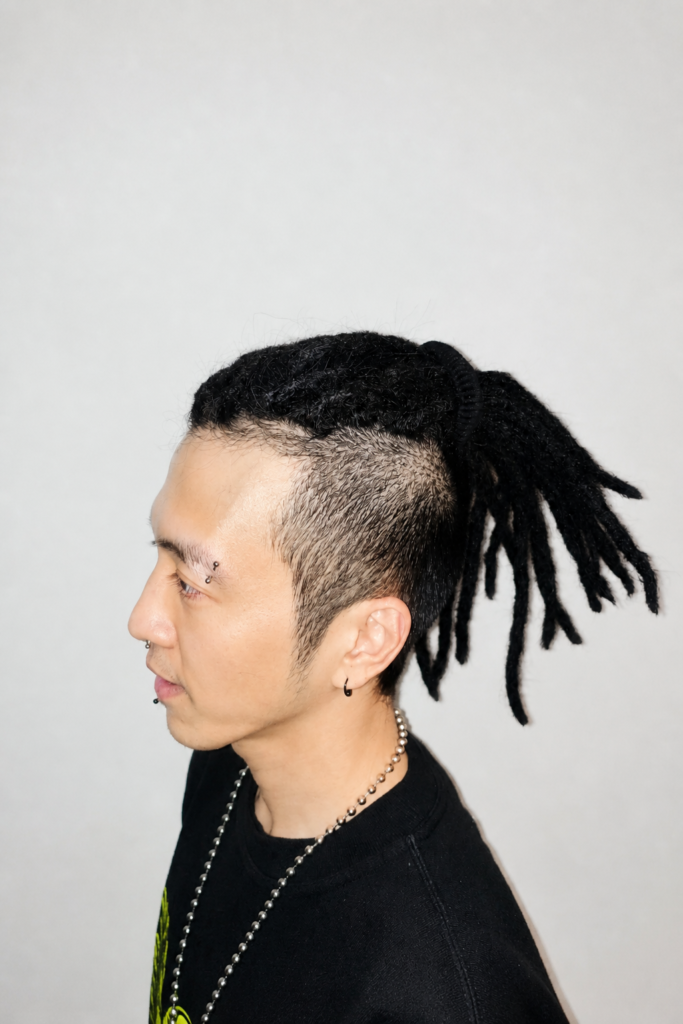
Can Straight, Resistant Asian Hair Hold Dreadlocks Properly?
Can Straight, Resistant Asian Hair Hold Dreadlocks Properly? Asian hair can absolutely hold dreadlocks in some cases — but it is not as simple as “you have lots of strong hair, so dreads will be easy.” That is one of the biggest misunderstandings I see with straight, resistant Asian hair. From the outside, the hair…
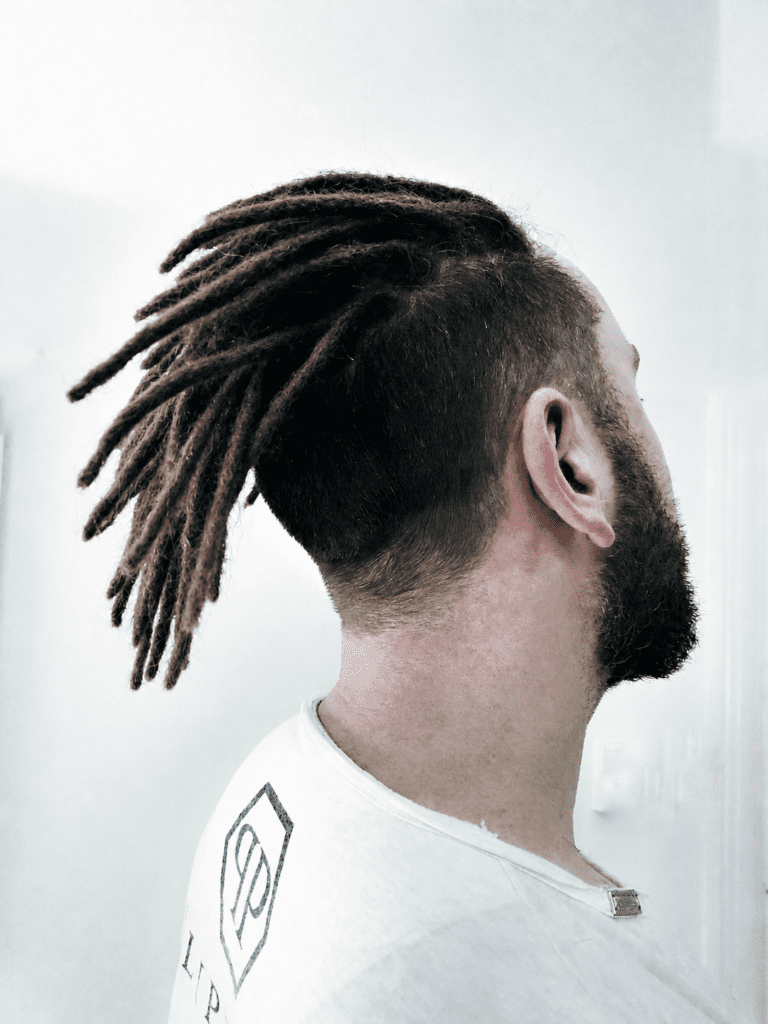
Can Fragile Roots Support Permanent Dreadlock Extensions?
Can Fragile Roots Support Permanent Dreadlock Extensions? What Needs Assessing First If you have fragile roots and you are wondering whether permanent dreadlock extensions are possible, the honest answer is: sometimes, yes — but not by copying someone else’s head of hair. This is where many people get caught. They send an amazing reference photo…

Can Thinning Temples Hold Dreadlock Extensions?
Can Thinning Temples Hold Dreadlock Extensions? What Needs Assessing First If your temples are thinning and you still want dreadlock extensions, the fear underneath that question is usually very real. Most people are not just asking whether the style will suit them. They are asking whether the weakest part of the hairline could end up…

Bald Spot Dreadlock Options: What Is Safe & What Is Not?
Bald Spot Dreadlock Options: What Is Safe & What Is Not? If you have a bald spot and you are wondering whether dreadlocks are still possible, the honest answer is: sometimes, yes — but not by guessing. A bald spot does not automatically rule dreadlocks out. In some cases, there may be more options than…

Receding Hairline & Dreadlocks: What Can Still Be Done Safely?
Receding Hairline & Dreadlocks: What Can Still Be Done Safely? If your hairline is already receding and you still want dreadlocks, the fear underneath that question is usually very real. Most people are not just wondering whether the style will suit them. They are wondering whether one wrong decision could take an already fragile front…

Can You Get Dreadlocks if Your Hair Is Thinning and Won’t Grow Past a Certain Length?
Receding Hairline & Dreadlocks: What Can Still Be Done Safely? If your hairline is already receding and you still want dreadlocks, the fear underneath that question is usually very clear. It is not just, “Will this suit me?” It is, “If I get this wrong, could I lose even more of the front?” That fear…
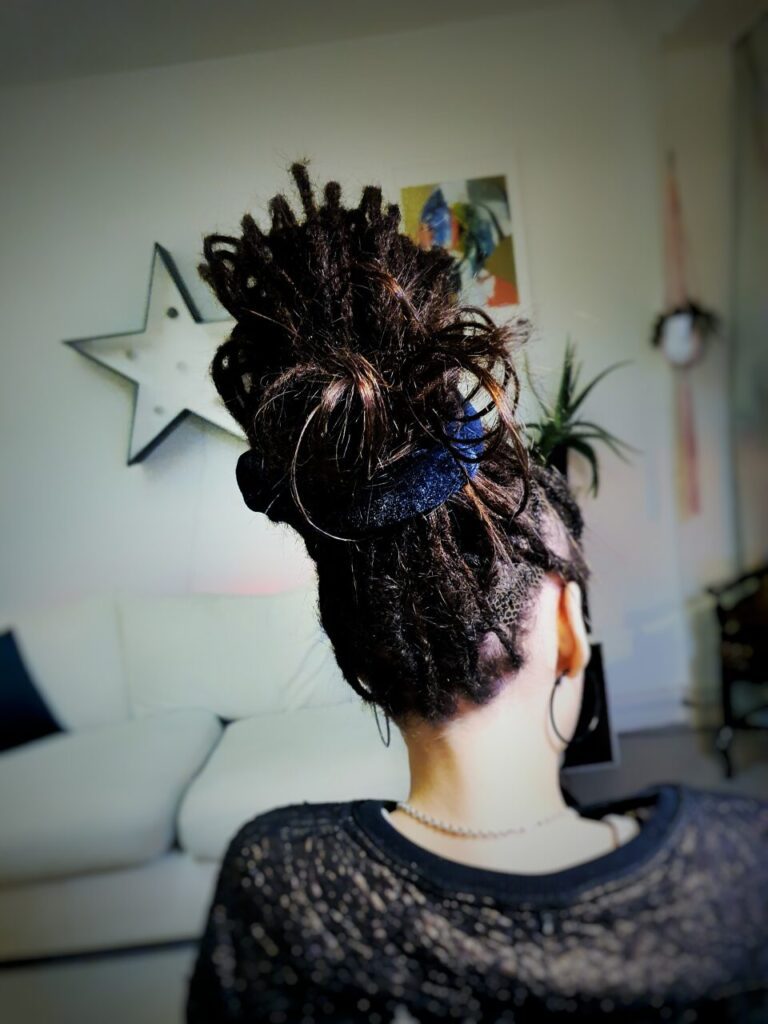
When Should You Not Get Dreadlocks? What to Assess First
When Should You Not Get Dreadlocks? What to Assess First Sometimes the problem is not dreadlocks themselves. The problem is trying to approach a complex hair situation with a standard dreadlock plan. If the hair is thinning, the scalp is sensitive, the roots are weak, or there are bald or fragile areas, the question is…
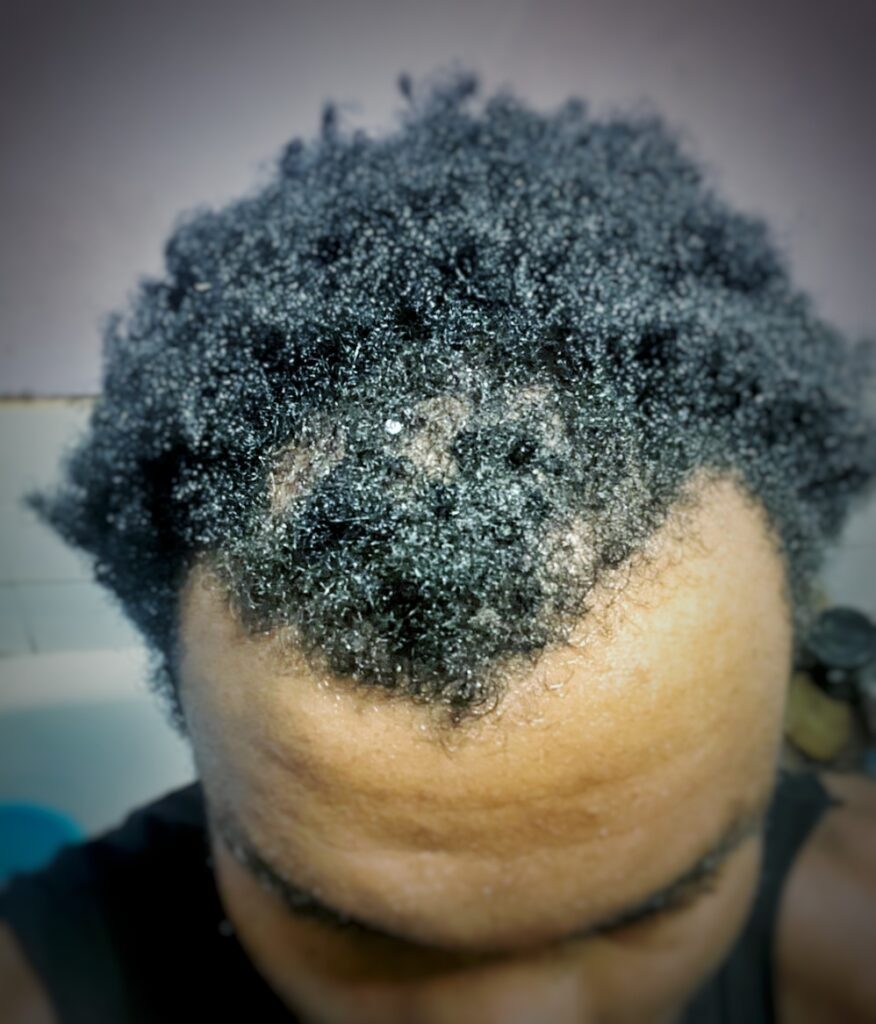
Can Dreadlocks Cause Thinning Hair? What Actually Causes the Damage
If your dreadlocks feel thinner at the root than they used to, this question is not theoretical. You are usually trying to work out whether dreadlocks themselves are the problem, whether the maintenance has become too harsh, or whether your hair has been carrying more stress than it can safely sustain. That distinction matters. Because…

Interlocking vs Intermatting: Why Method Matters for Thinning Hair
If you have fine, thinning, or already vulnerable hair, the method used at the root is not a small detail. It can be the difference between something that feels secure in the short term and something your hair can actually sustain over time. That is why the conversation around interlocking vs intermatting matters so much…

Dreadlock Repair After Damage: Can Thinning Hair Be Recovered?
When dreadlocks start going wrong, people usually know something feels off long before they know what to call it. The roots feel weaker. Certain sections start pulling. Some areas look thinner. Extensions stop feeling secure. The hairline changes. And what began as “maybe it just needs maintenance” turns into a quiet fear that something more…

Can You Get Dreadlock Extensions With 1 Inch of Hair? What Actually Decides
If you have been told your hair is too short for dreadlock extensions, you are not imagining how frustrating that feels. Especially if your hair is also fine, fragile, thinning, traction-affected, or already carrying the stress of previous work. At that point, this is no longer just a style question. You are trying to work…
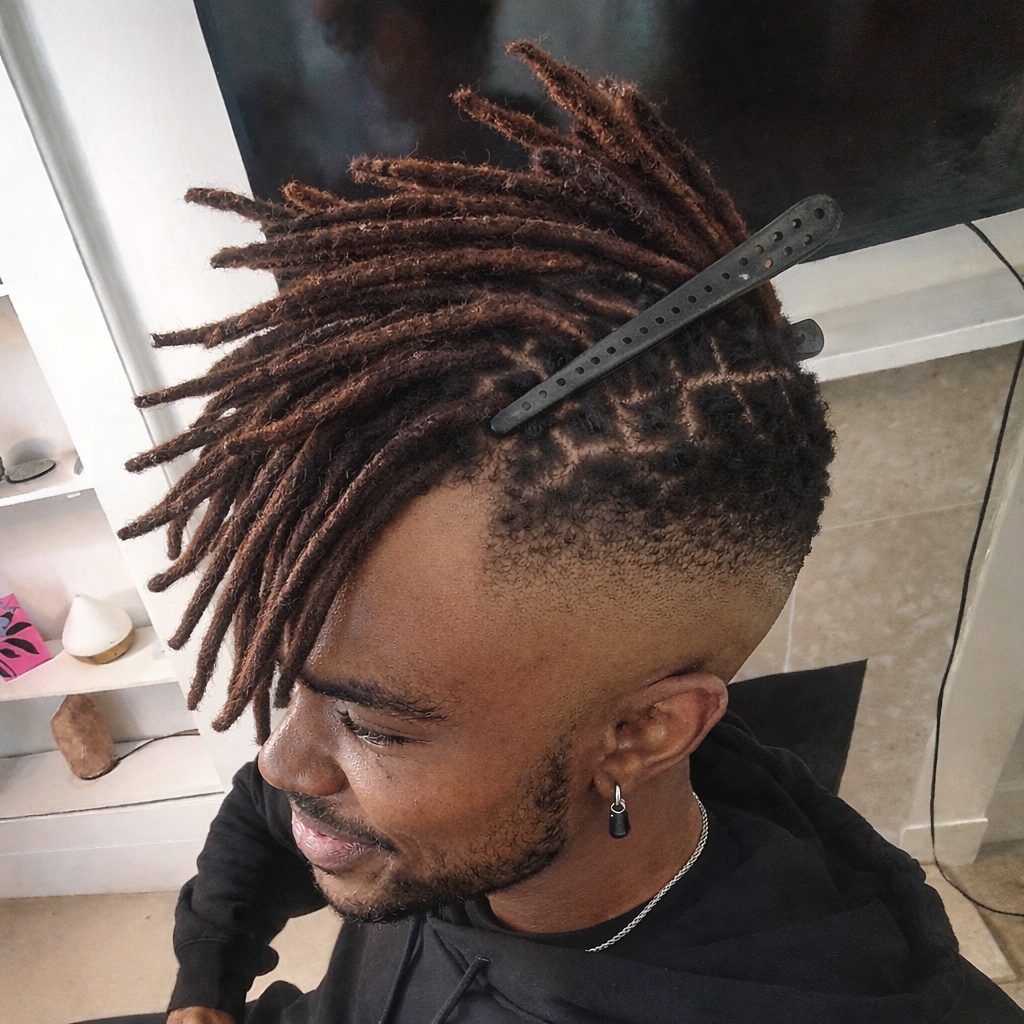
Do Dreadlocks Cause Traction Alopecia? What Actually Damages the Hairline
If your hairline already feels vulnerable, this question is not casual. You are not just asking whether dreadlocks look good. You are trying to work out whether they could cost you more density, more breakage, or more visible loss — or whether the real risk is simply having the wrong work done. That distinction matters.…