
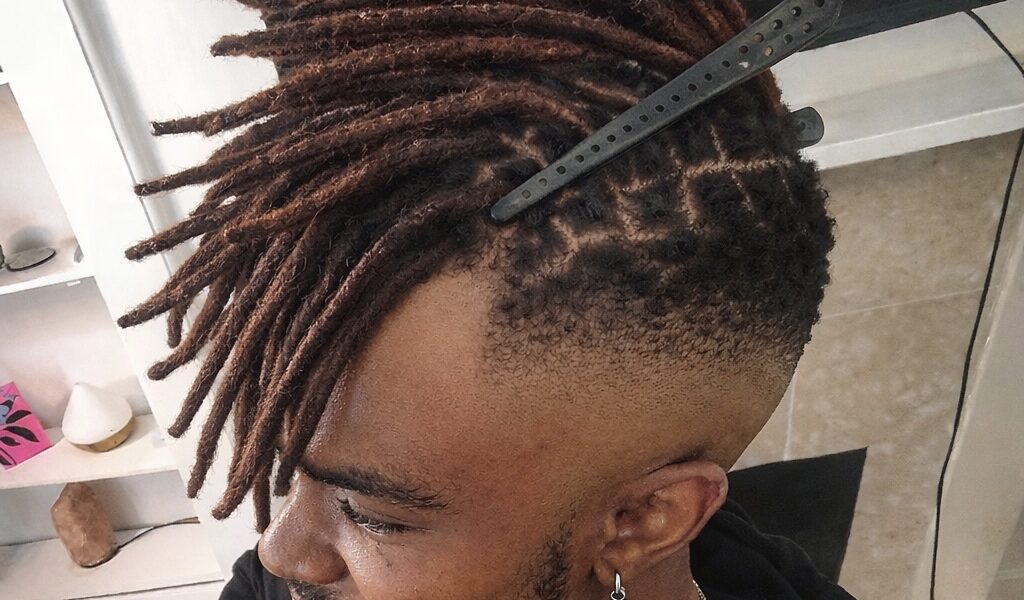
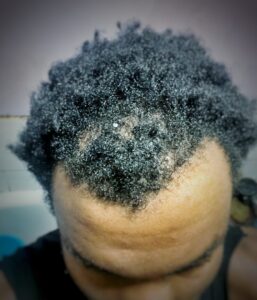
If your hairline already feels vulnerable, this question is not casual.
You are not just asking whether dreadlocks look good. You are trying to work out whether they could cost you more density, more breakage, or more visible loss — or whether the real risk is simply having the wrong work done.
That distinction matters.
Because dreadlocks do not automatically cause traction alopecia. But dreadlocks that are too tight, too heavy, repeatedly maintained with too much tension, or built on hair that was never properly assessed absolutely can.
For thinning hair, fragile edges, bald spots, previous damage, or very short hair, the issue is rarely just “dreadlocks yes or no.”
The real issue is suitability, tension, weight, method, and whether your hair is being understood properly in the first place.
Quick summary
- Dreadlocks do not automatically cause traction alopecia — repeated tension does.
- The biggest risks are excessive tightness, too much weight, poor method choice, and weak areas being ignored.
- Thin, fragile, or previously damaged hair may still be suitable, but only with proper assessment.
- The safest first step for complex cases is a specialist consultation before installation, repair, or maintenance.
What traction alopecia actually is
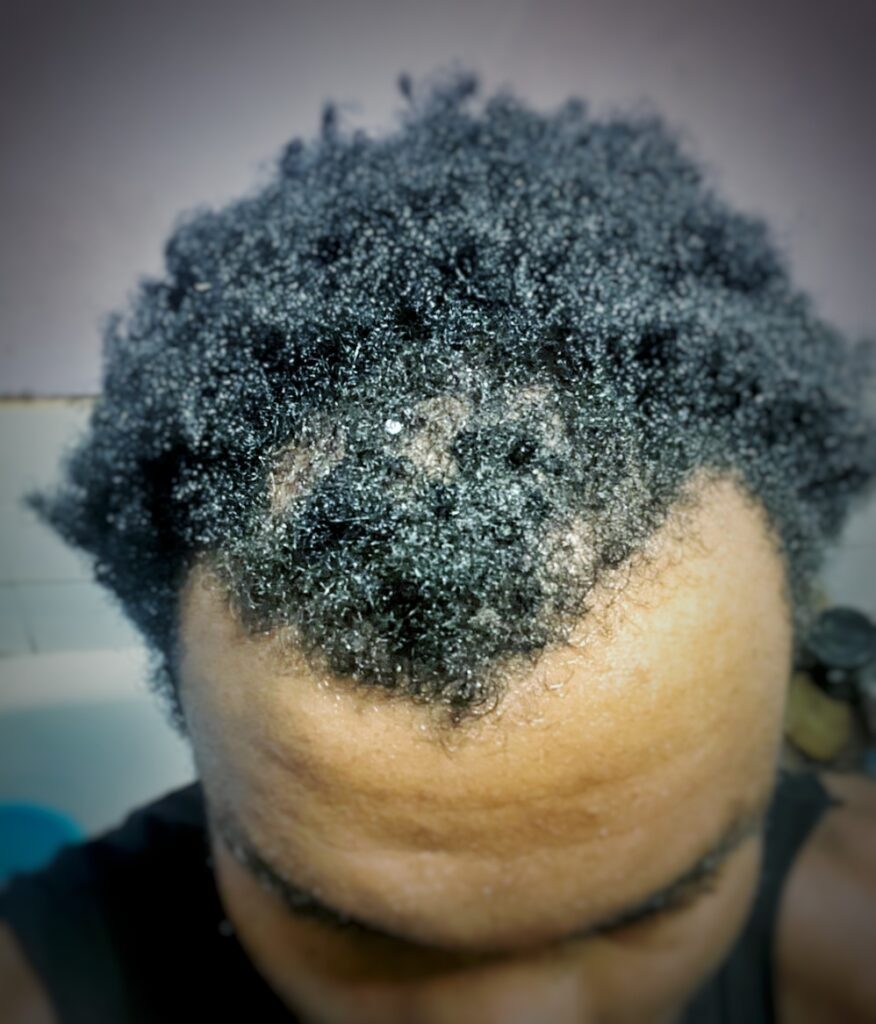
Traction alopecia is hair loss caused by repeated stress on the follicles over time.
It usually shows up in the areas carrying the most strain — often the hairline, temples, partings, crown, or any section under too much pull for too long.
This is why people sometimes blame “dreadlocks” as a whole, when the real problem is usually one or more of the following:
- installation that was too tight from day one
- extensions that were too heavy for the hair supporting them
- repeated maintenance that kept reintroducing tension
- weak or thinning areas treated the same as strong, dense areas
- early warning signs ignored because everything still looked “fine enough” at first
Hair rarely gives way without giving signs first.
Why some dreadlocks do lead to damage
When people say dreadlocks damaged their hair, they are often describing a system that was wrong for their roots from the beginning.
Too much tension from the start
Sometimes the installation was simply too aggressive for the condition of the roots.
Too much weight for the hair supporting it
Sometimes the dreadlocks or extensions carried more weight than the roots could comfortably support.
Maintenance that keeps reintroducing stress
Sometimes the maintenance routine kept tightening an already stressed foundation until the problem became obvious.
The damage is not always dramatic at first. It can look subtle. A slightly cleaner hairline. A temple that feels more see-through. A root that looks weaker than it used to. A section that feels like it is pulling more than the rest.
In many cases, what looks like “just a bit of weakness” is actually the point where proper dreadlock repair for thinning hair should be considered before more strain is added.
Early warning signs most people miss
If you already have dreadlocks, or you are considering them with a fragile hairline, these signs matter:
- tenderness during or after maintenance
- roots starting to look sparse, stretched, or overly exposed
- one area feeling tighter or more uncomfortable than the rest
- gaps appearing where density used to feel more even
- a hairline that looks finer, thinner, or more see-through over time
- dreadlocks shifting, leaning, or pulling in certain sections
These are not signs to ignore and hope away.
They are signs to assess properly.
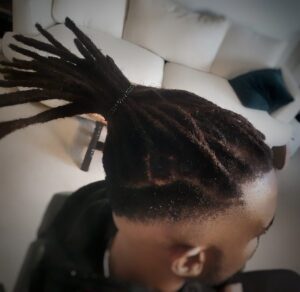
Already had poor work done?
Thinning roots, uneven weight, weak sections, or fallout often follow a pattern — and sometimes they can still be repaired.
Read: Dreadlock Repair After Damage: Can Thinning Hair Be Recovered?
Why people get such conflicting advice
This is where many clients feel confused.
One person says dreadlocks are fine. Another says absolutely not. Someone else says your hair is too short. Another says they can attach them anyway.
The problem is that advice is often being given without a proper specialist assessment.
Fragile hair does not automatically mean impossible. But it does mean the margin for error is much smaller.
That is why a rushed yes can be just as irresponsible as a blanket no.
Can you still have dreadlocks if your hair is thin or previously damaged?
Sometimes, yes.
But not by pretending your hair is stronger than it is.
For some clients, dreadlocks are still possible when the work is designed around the real condition of the hair — not around idealised density, standard sizing, or pressure to make it look full immediately.
That can mean:
- lighter extension choices
- more strategic planning around weak zones
- a gentler approach to installation and maintenance
- accepting a safer route over an instantly dramatic one
- being honest about what should not be done yet
This is especially important for clients exploring very short hair, previous thinning, or visible traction damage.
If you are also trying to understand the wider question of whether dreadlocks themselves can trigger loss, read can dreadlocks cause thinning hair.
When the safest answer is “not yet”
A true specialist should be willing to slow things down.
There are cases where the safest answer is not to proceed immediately — or not to proceed in the way the client first imagined.
- the scalp is inflamed, sore, or actively reactive
- the hairline is already under visible strain
- the goal is instant fullness on roots that cannot safely carry it
- the existing work needs repair before anything new is added
- the hair can no longer support the weight or tension being asked of it
Sometimes the safest answer is not “yes” or “no” — it is “not yet.”
Pausing is not failure. Sometimes pausing is exactly how you stop reversible damage from becoming permanent.
If you are unsure whether now is the right time, read when you should not get dreadlocks.
Been told your hair is too short?
1 inch of hair is not automatically impossible — but the margin for error is small, so the assessment matters.
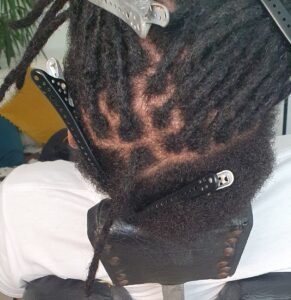
Why method matters more than most people realise
Not every dreadlock method places the same kind of stress on the hair.
When hair is thinning, fragile, or already compromised, the method used — and the way it is maintained — is not a minor detail.
It is often the whole story.
This is why method conversations matter so much in complex cases. And it is why clients with vulnerable roots should not be pushed into generic maintenance cycles that were designed for stronger hair.
To understand this more clearly, read why method matters for thinning hair.
What people with fragile hairlines really need
Not hype. Not pressure. Not miracle promises.
They need a calm, honest assessment of what their hair can safely support.
That means looking at:
- the current density
- the condition of the roots
- where the weak areas are
- any history of tension, breakage, or previous work
- whether the hair can support dreadlocks at all
- whether the safest route is installation, repair, redesign, or pause
That is where clarity begins.
And for emotionally sensitive clients who have already been told no, had poor work done before, or are frightened of making things worse, clarity is not a luxury.
It is the protection.
Dreadlocks are not the enemy. Guesswork is.
Dreadlocks do not automatically equal traction alopecia.
Poor planning does. Poor tension control does. Too much weight does. Ignoring fragile areas does. Treating complex hair as though it is standard does.
The goal is not just to attach hair. The goal is to protect what is already vulnerable.
The safest next step if you are unsure
If your hairline feels vulnerable, your roots are thinning, you have bald spots, or something simply does not feel right, the safest first move is not to book blindly.
Start with a specialist consultation for thinning hair, alopecia and fragile hairlines.
That gives you a proper chance to understand:
- whether dreadlocks are suitable
- what needs protecting first
- which route is safest for your hair
- what should be avoided before more damage is done
And if the answer is “not yet,” you get that answer before your hair pays for the guess.
Method is not a small detail
When hair is thin or fragile, the technique used at the root can change everything.

Frequently asked questions
Do dreadlocks always cause traction alopecia?
No. The risk comes from repeated tension, excessive weight, poor installation, or harsh maintenance — not from dreadlocks alone.
Can I still get dreadlocks if my hairline is already thin?
Sometimes, yes. But thin or fragile hair needs much more careful assessment. In some cases the safest route is lighter work, repair first, or a pause.
Are dreadlock extensions riskier than natural dreadlocks?
They can be, especially when the extension weight is not well matched to the natural hair supporting it.
What if another loctician already told me no?
That does not automatically mean impossible. It may mean your case is more complex and needs a specialist approach rather than standard installation.
What is the safest first step if I am unsure?
A paid consultation gives you clarity before anything is attached, tightened, or booked.
Unsure whether your hair can safely support dreadlocks?
If your edges feel vulnerable, your hair is thinning, your scalp is sensitive, or previous work has already left you doubtful, do not guess your way forward.
The safest next step is a specialist consultation for thinning hair, alopecia, fragile hairlines and complex dreadlock cases.
Book the consultation before you commit to the wrong work.
That clarity can protect your density, your time, your money, and your options.
We BeLiEve YoU Are ALL AwEsOme & DeSeRve To StAnD Out

Dreadlock Extensions for Thinning Hair: Will They Look Full or Show My Scalp?
Dreadlock Extensions for Thinning Hair: Will They Look Full or Show My Scalp? If you already know you want permanent dreadlock extensions, the question is no longer whether you like the look. It is whether your own hair can create a finished result that feels full, falls naturally and does not leave the thinning areas…
How Often Do Permanent Dreadlock Extensions Need Maintenance?
How Often Do Permanent Dreadlock Extensions Need Maintenance? If you are seriously considering permanent dreadlock extensions, it is sensible to ask what happens after installation. You may be comfortable with the initial investment but worried that you are also signing up for constant appointments, unpredictable repair bills or a lifetime of high-maintenance hair. For many…
Dreadlock Repair Cost UK: Repair, Reconstruction or Start Again?
Dreadlock Repair Cost UK: Repair, Reconstruction or Start Again? If you are researching dreadlock repair cost UK, you probably already know that something needs professional attention. Your roots may be heavily grown out, several dreadlocks may be thinning or joining together, or previous work may be coming loose. What you do not yet know is…

Human Hair vs Synthetic Dreadlock Extensions: Which Is Better for Permanent Wear?
Human Hair vs Synthetic Dreadlock Extensions: Which Is Better for Permanent Wear? If you have already decided that you want dreadlock extensions, choosing between human hair and synthetic hair can feel like the final practical decision. One option may cost considerably more. Both can look convincing online. It is reasonable to ask whether human hair…

Dreadlock Extension Consultation: What Should Be Assessed Before Installation?
Dreadlock Extension Consultation: What Should Be Assessed Before Installation? A £120 dreadlock extension consultation can feel like an unnecessary extra when you already know you want extensions. You may have photographs, a preferred length and a clear picture of how you want to look. It is reasonable to wonder why you cannot simply send the…

How Many Dreadlock Extensions Do I Need for Fine or Thinning Hair?
How Many Dreadlock Extensions Do I Need for Fine or Thinning Hair? If you are asking, “How many dreadlock extensions do I need?”, you are probably no longer deciding whether you like dreadlocks. You are trying to picture the finished result: how full it will look, whether your scalp will show, what it may cost…

Cheap Dreadlock Extensions: Why Low Prices Cost More
Cheap Dreadlock Extensions: Why Low Prices Can Cost More Later Cheap dreadlock extensions can feel like the sensible choice when you have already decided that you want permanent extensions and the specialist quotation is considerably higher. You may be looking at two prices and wondering whether the difference reflects genuine expertise or whether you are…
Traction Alopecia & Dreadlocks: What Must Be Assessed Before Saying Yes?
Traction Alopecia & Dreadlocks: What Must Be Assessed Before Saying Yes? You may already know that tight styling, repeated pulling or the weight of previous extensions has changed your hairline or created thinner areas. You may still want dreadlocks, dreadlock extensions, repair or reconstruction—but you are frightened that trying again could make the existing loss…

Dreadlock Extensions Near Me: 10 Questions to Ask Before You Book
Dreadlock Extensions Near Me: 10 Questions to Ask Before You Book Searching for ‘dreadlock extensions near me’ usually means you are no longer casually collecting inspiration. You may be comparing prices, photographs, travel distances and appointment availability because you are ready to make the change. The difficulty is that a polished social-media page can show…

Dreadlock Repair or Start Again? What a Specialist Checks First
Dreadlock Repair or Start Again? What a Specialist Checks First You may have booked what sounds like a simple root-maintenance appointment because your dreadlocks feel untidy, loose or difficult to manage. Yet once the roots, sections and existing structure are looked at properly, the work may be far more involved than ordinary maintenance. The answer…

Permanent Dreadlock Extensions for Very Fine Hair
Permanent Dreadlock Extensions for Very Fine Hair: What Decides Suitability? If you have very fine hair, you may already have been told that permanent dreadlock extensions are impossible. You may also have found somebody willing to say yes immediately. Neither response gives you what you actually need: an honest assessment of what your own hair…

Uneven Hair Density & Dreadlocks: What Can Work?
Can You Get Dreadlocks With Uneven Hair Density Across the Scalp? Uneven hair density dreadlocks may still be possible. The important distinction is that having enough hair somewhere on the scalp is not the same as having equal support everywhere. This is where people can be caught out. Their dreadlocks may look healthy overall. Nothing…
Dreadlock Extensions Cost for Thinning Hair: Why Quotes Vary
Dreadlock Extensions Cost for Thinning Hair: Why Quotes Vary If you are researching the dreadlock extensions cost for thinning hair, you may already have a photograph saved on your phone. You know the length, colour and general look you want. What you do not want is to become emotionally invested, only to discover later that…

Can Thinning Edges Hold Dreadlocks Without Getting Worse?
Can Thinning Edges Hold Dreadlocks Without Getting Worse? Thinning edges dreadlocks may still be possible, but the honest answer is not found by looking only at how much hair appears to be present. The front of the scalp can look as though it has enough hair to work with while offering far less structural support…
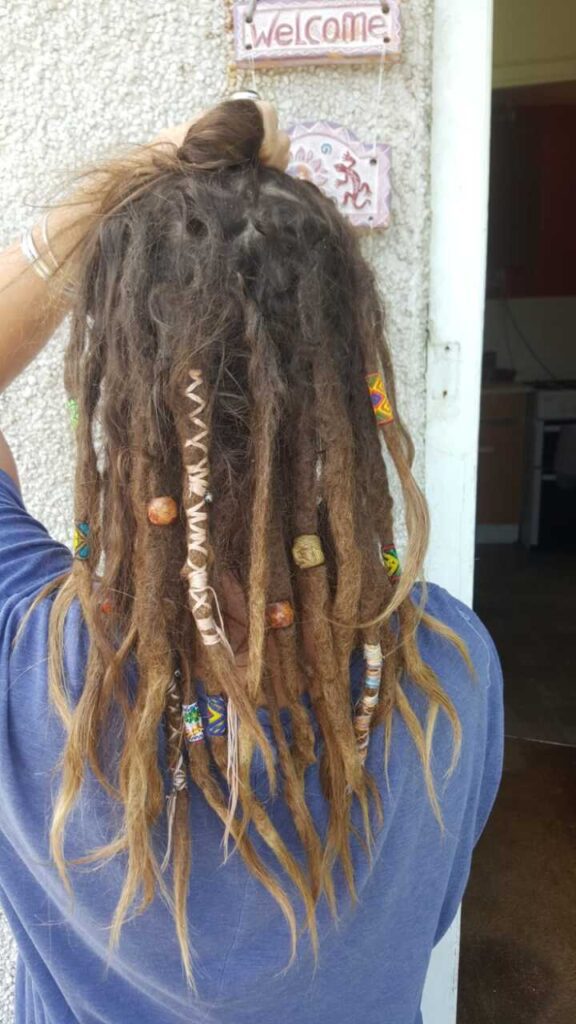
Bad Dreadlock Sections: Can Mapping Be Fixed Without Starting Again?
Bad Dreadlock Sections: Can Mapping Be Fixed Without Starting Again? You may already know that your dreadlock sections do not feel right, even if you cannot clearly explain what is wrong with them. Perhaps some dreadlocks feel much heavier than others. The roots may pull in different directions, certain sections may repeatedly merge, or the…
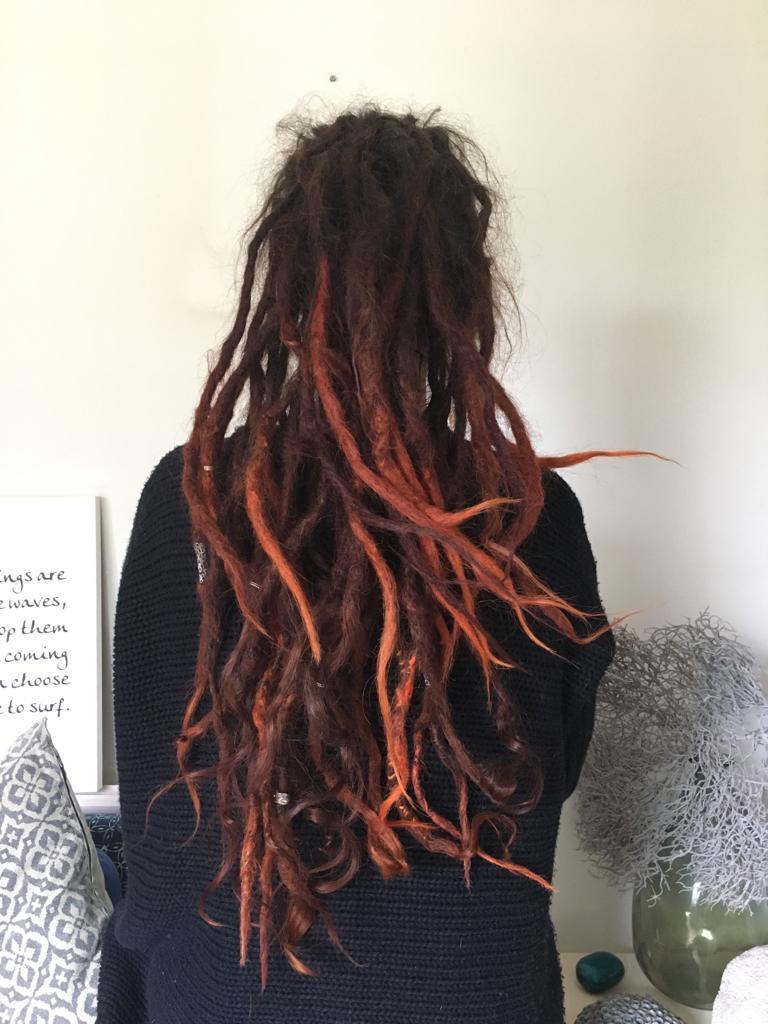
Overgrown Dreadlock Roots: Can They Be Remapped Without Losing Length?
Overgrown Dreadlock Roots: Can They Be Remapped Without Losing Length? If you have spent years growing your dreadlocks, the thought of losing that length can make it tempting to postpone dealing with overgrown roots. The dreadlocks may still look intact from the front, and you may be able to tie them back, style them and…

Dreadlocks Merging at the Root: What Is Going Wrong?
Dreadlocks Merging at the Root: What Is Going Wrong? You look in the mirror, touch the dreadlocks around the front and notice a little fuzz or regrowth. They may not look freshly maintained, but they do not appear disastrous either. What you cannot easily see is what is happening around the sides, through the crown…

Thinning Dreadlocks at the Root: What Usually Causes It?
Thinning Dreadlocks at the Root: What Usually Causes It? If one of your dreadlocks is becoming thinner at the root, it can be tempting to think it simply needs tightening, reinforcing or joining back together. Sometimes the dreadlock still feels attached. It may not be painful, and it may look almost normal unless you separate…

Can Weak Edges Recover After Heavy Dreadlocks?
Can Weak Edges Recover After Heavy Dreadlocks? Removing heavy dreadlocks can bring immediate relief. The front of the scalp may feel less sore, the pulling may stop, and the hairline can look softer once the weight is no longer drawing attention to every exposed area. That relief matters, but it does not always mean the…

Fragile Hairline & Dreadlocks: What Needs Assessing First?
Fragile Hairline & Dreadlocks: What Needs Assessing First? You may still have hair around the front of your scalp. It may grow, cover the skin and appear strong enough when you look in the mirror. Yet when you touch it, compare it with the hair further back or try to style it, you can feel…

Can You Get Dreadlocks After Traction Damage Has Already Started?
Dreadlocks After Traction Damage: What Needs Assessing First? If traction damage has already started and you still want dreadlocks, the answer is not always an immediate no. In some cases, dreadlocks may still be possible — but only if the scalp, root strength and remaining hair can genuinely support the direction you want to go…

Dreadlocks for Alopecia: When Coverage Is Possible & When It Is Not
Dreadlocks for Alopecia: Is Coverage Possible? If you are searching for dreadlocks for alopecia, you are probably not asking a casual style question. You may be looking at visible thinning, sparse areas, a fragile hairline, bald patches, or uneven density and wondering whether dreadlocks could help you feel more covered, more yourself, or less exposed.…

Crown Thinning & Dreadlocks: When Weight Becomes the Risk
Crown Thinning & Dreadlocks: When Weight Becomes the Risk If you have thinning around the crown and you are wondering whether dreadlocks are still possible, the answer is not a simple yes or no. Crown thinning dreadlocks may still be possible in some cases, but the crown has to be treated with far more caution…

Can You Add Dreadlock Extensions to Sparse Areas Without Causing More Loss?
Dreadlock Extensions Sparse Areas: What Needs Assessing First? If you have sparse areas and you are thinking about dreadlock extensions, the question is usually not just, “Can something be added there?” The more important question is whether that area can safely carry what you want added to it. That distinction matters. A sparse area can…

Are Partial Dreadlocks Safer Than a Full Head for Thinning Hair?
Partial Dreadlocks for Thinning Hair: Safer Than a Full Head? If your hair is thinning and you still want dreadlocks, it is very natural to wonder whether a partial head would be safer than committing to a full head. On the surface, it sounds logical. Less hair added, fewer dreadlocks, less weight, less risk. Sometimes…

Can Menopause-Related Hair Thinning Still Support Dreadlocks?
Menopause Hair Thinning & Dreadlocks: What Needs Assessing First? If your hair has started thinning during menopause or midlife, the question of dreadlocks can feel very different from how it might have felt ten years ago. It is not always just, “Can I get dreadlocks?” It is often, “Is my hair still strong enough?” “Will…
Fine Hair, Low Density & Dreadlocks: What Makes a Set Viable?
Fine Hair, Low Density & Dreadlocks: What Can Safely Hold? If you have fine hair or low density and you are wondering whether dreadlocks are still possible, the honest answer is: sometimes, yes — but not casually, and not from a dream photo alone. This is where a lot of people get caught. They find…

Dreadlocks for Hair That Breaks Before It Grows: What Is Still Safe?
Dreadlocks for Hair That Breaks Before It Grows: What Is Still Safe? If your hair grows but never seems to get past a certain length, dreadlocks can feel like a confusing dream. You may see new growth at the roots, but before the hair ever builds visible length or fullness, it snaps, thins, sheds, weakens,…
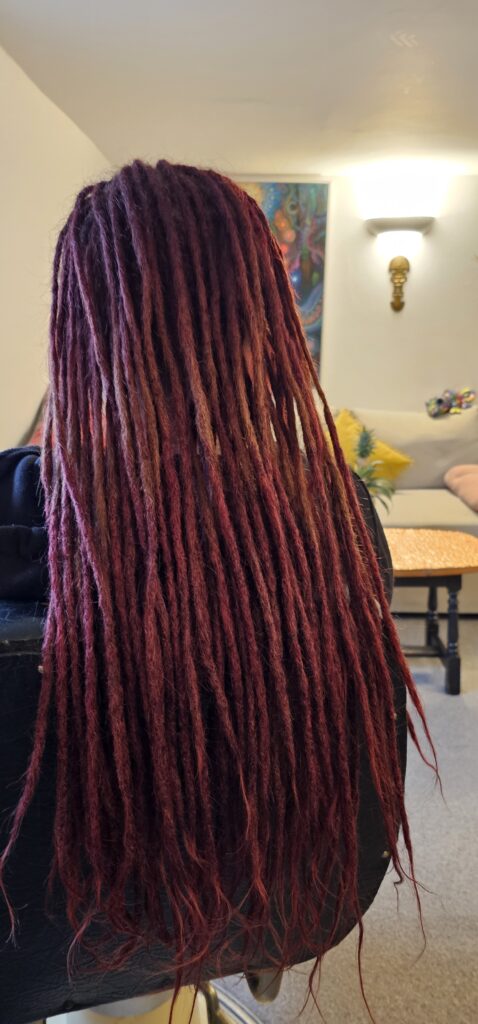
Hormonal Thinning & Dreadlocks: What Needs Assessing First?
Hormonal Thinning & Dreadlocks: What Needs Assessing First? When your hair starts changing because of hormones, dreadlocks can become a very emotional question. You may still have enough hair to look “workable” from the outside. You may still be able to tie it up, cover thinning areas, or imagine how dreadlocks could give your hair…

Thinning Hair & Dreadlocks: What Can Your Hair Safely Support?
Thinning Hair & Dreadlocks: What Can Your Hair Safely Support? If you have thinning hair and you want dreadlocks, the question usually feels bigger than hair. It is not just, “Can this be done?” It is, “Will this make my hair worse? Will I regret it? Am I about to put weight, tension, or structure…
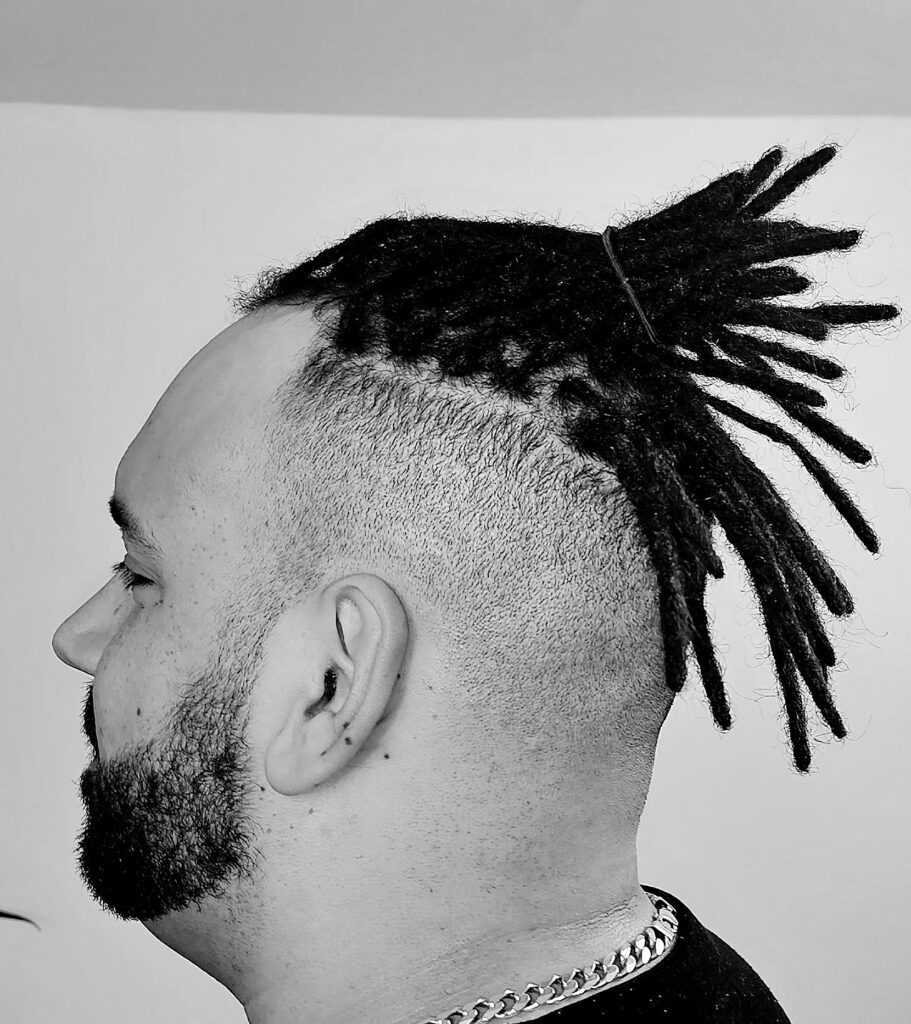
Thinning Hairline Dreadlock Repair: Can Weak Edges Be Protected?
Thinning Hairline Dreadlock Repair: Can Weak Edges Be Protected? If your dreadlocks are still important to you but your hairline is starting to feel weaker, lighter, or more exposed, it can be difficult to know what to do next. You may be looking at the front and wondering whether it needs repair, whether it can…

Can Extremely Thick Hair Be Made Into Neat Dreadlocks?
Can Extremely Thick Hair Be Made Into Neat Dreadlocks? Extremely thick hair can absolutely be made into neat dreadlocks in many cases — but it should not be treated as automatically easy just because there is a lot of hair to work with. That is one of the biggest misunderstandings I see with thick hair…

Straight, Silky Hair & Dreadlocks: Why Standard Methods Fail
Will Straight, Silky Hair Hold Dreadlocks Properly Long Term? If you have straight, silky hair and you are wondering whether dreadlocks will actually hold, the honest answer is: possibly — but not through guesswork. Straight hair dreadlocks can look successful in the beginning. The hair may be healthy, strong, glossy, and long enough to appear…
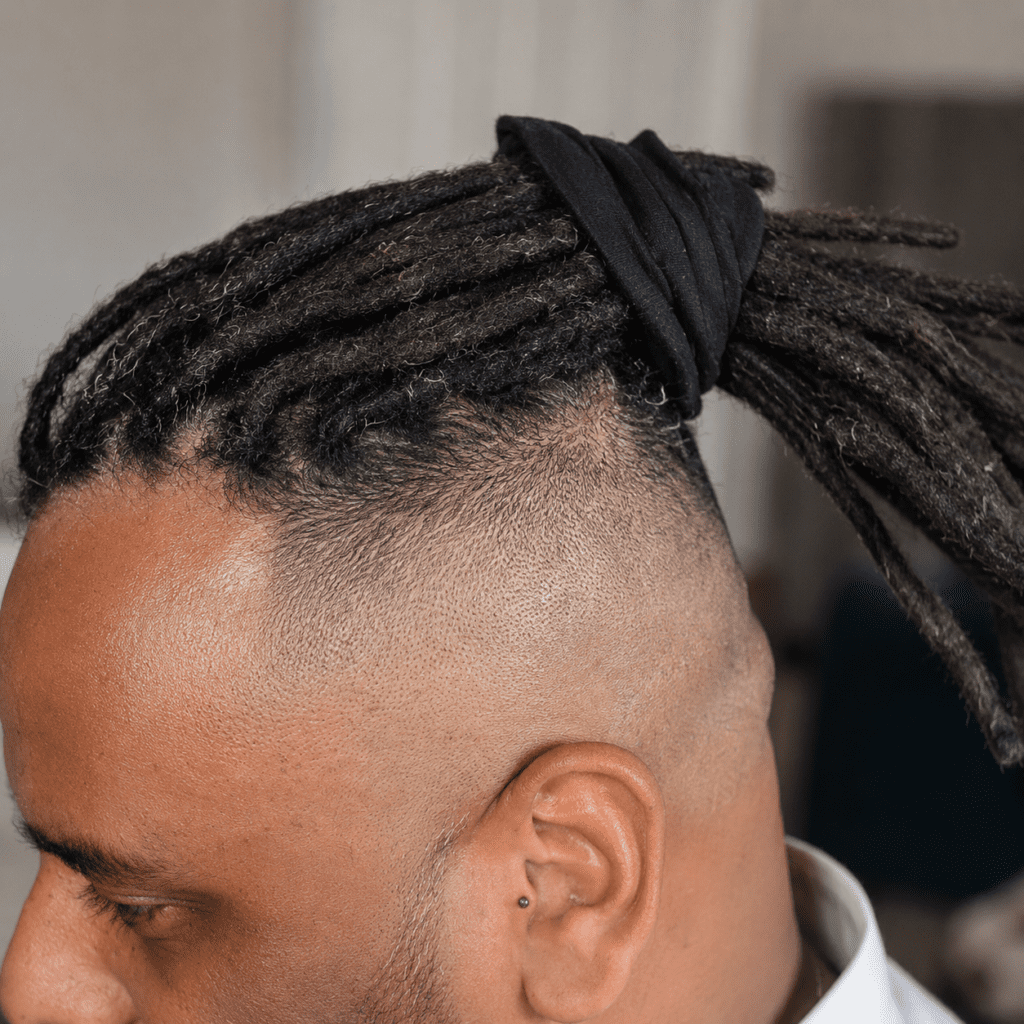
Asian Hair & Dreadlocks: What Method Holds Best Long Term?
Asian Hair & Dreadlocks: What Method Holds Best Long Term? If you have Asian hair and you are thinking about getting dreadlocks, one of the biggest questions is usually not just “Can my hair dread?” It is: “What method will actually hold long term?” That question matters, because Asian hair can be deceptive. It can…

Can Straight, Resistant Asian Hair Hold Dreadlocks Properly?
Can Straight, Resistant Asian Hair Hold Dreadlocks Properly? Asian hair can absolutely hold dreadlocks in some cases — but it is not as simple as “you have lots of strong hair, so dreads will be easy.” That is one of the biggest misunderstandings I see with straight, resistant Asian hair. From the outside, the hair…

Can Fragile Roots Support Permanent Dreadlock Extensions?
Can Fragile Roots Support Permanent Dreadlock Extensions? What Needs Assessing First If you have fragile roots and you are wondering whether permanent dreadlock extensions are possible, the honest answer is: sometimes, yes — but not by copying someone else’s head of hair. This is where many people get caught. They send an amazing reference photo…
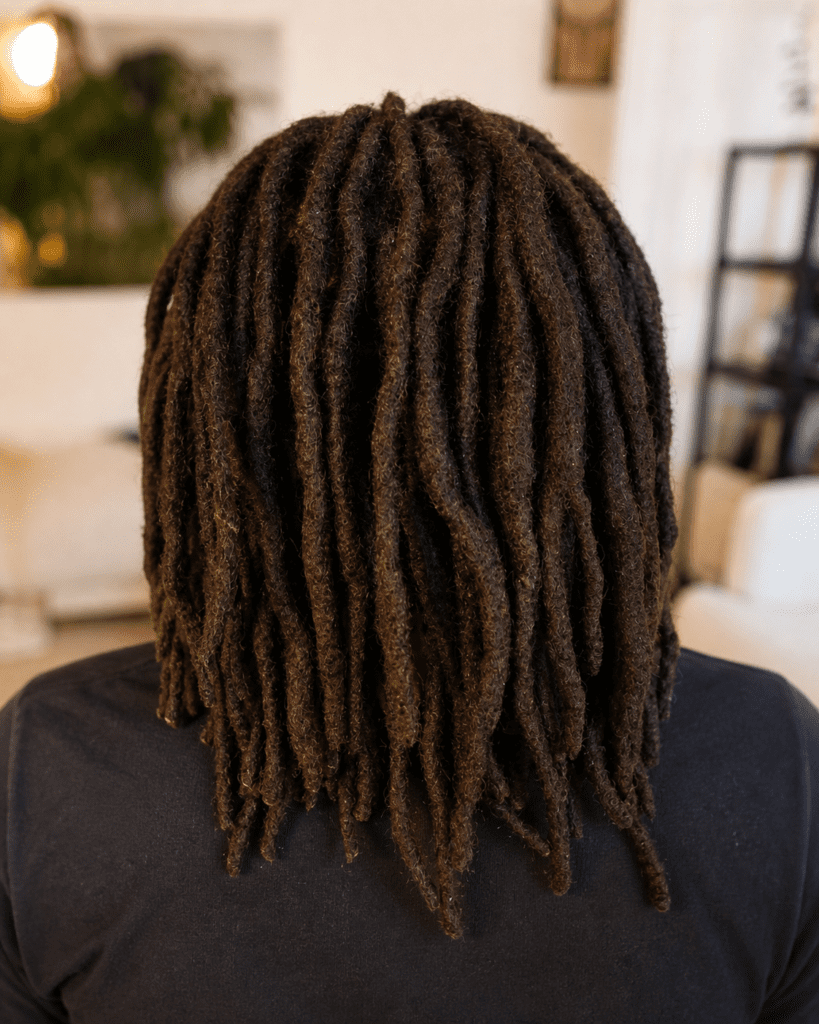
Can Thinning Temples Hold Dreadlock Extensions?
Can Thinning Temples Hold Dreadlock Extensions? What Needs Assessing First If your temples are thinning and you still want dreadlock extensions, the fear underneath that question is usually very real. Most people are not just asking whether the style will suit them. They are asking whether the weakest part of the hairline could end up…

Bald Spot Dreadlock Options: What Is Safe & What Is Not?
Bald Spot Dreadlock Options: What Is Safe & What Is Not? If you have a bald spot and you are wondering whether dreadlocks are still possible, the honest answer is: sometimes, yes — but not by guessing. A bald spot does not automatically rule dreadlocks out. In some cases, there may be more options than…

Receding Hairline & Dreadlocks: What Can Still Be Done Safely?
Receding Hairline & Dreadlocks: What Can Still Be Done Safely? If your hairline is already receding and you still want dreadlocks, the fear underneath that question is usually very real. Most people are not just wondering whether the style will suit them. They are wondering whether one wrong decision could take an already fragile front…

Can You Get Dreadlocks if Your Hair Is Thinning and Won’t Grow Past a Certain Length?
Receding Hairline & Dreadlocks: What Can Still Be Done Safely? If your hairline is already receding and you still want dreadlocks, the fear underneath that question is usually very clear. It is not just, “Will this suit me?” It is, “If I get this wrong, could I lose even more of the front?” That fear…
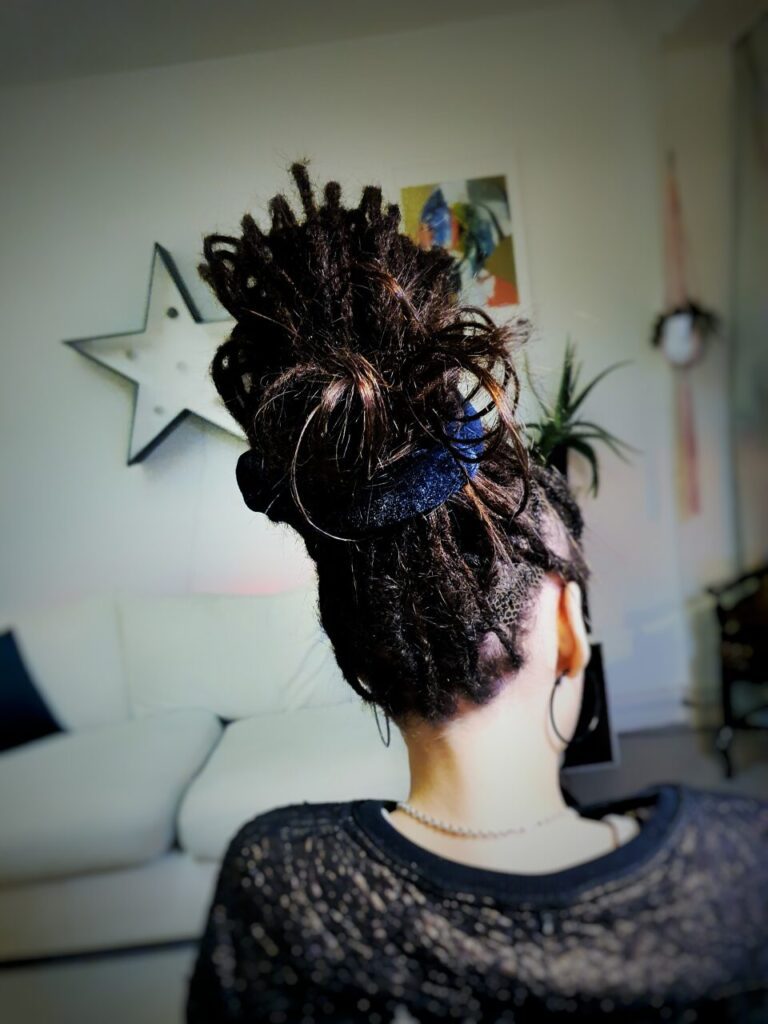
When Should You Not Get Dreadlocks? What to Assess First
When Should You Not Get Dreadlocks? What to Assess First Sometimes the problem is not dreadlocks themselves. The problem is trying to approach a complex hair situation with a standard dreadlock plan. If the hair is thinning, the scalp is sensitive, the roots are weak, or there are bald or fragile areas, the question is…
Can Dreadlocks Cause Thinning Hair? What Actually Causes the Damage
If your dreadlocks feel thinner at the root than they used to, this question is not theoretical. You are usually trying to work out whether dreadlocks themselves are the problem, whether the maintenance has become too harsh, or whether your hair has been carrying more stress than it can safely sustain. That distinction matters. Because…

Interlocking vs Intermatting: Why Method Matters for Thinning Hair
If you have fine, thinning, or already vulnerable hair, the method used at the root is not a small detail. It can be the difference between something that feels secure in the short term and something your hair can actually sustain over time. That is why the conversation around interlocking vs intermatting matters so much…

Dreadlock Repair After Damage: Can Thinning Hair Be Recovered?
When dreadlocks start going wrong, people usually know something feels off long before they know what to call it. The roots feel weaker. Certain sections start pulling. Some areas look thinner. Extensions stop feeling secure. The hairline changes. And what began as “maybe it just needs maintenance” turns into a quiet fear that something more…

Can You Get Dreadlock Extensions With 1 Inch of Hair? What Actually Decides
If you have been told your hair is too short for dreadlock extensions, you are not imagining how frustrating that feels. Especially if your hair is also fine, fragile, thinning, traction-affected, or already carrying the stress of previous work. At that point, this is no longer just a style question. You are trying to work…